Optimizing RF Communication Protocols for Enhanced Real-Time Coordination in Large-Scale UAV Swarm Operations
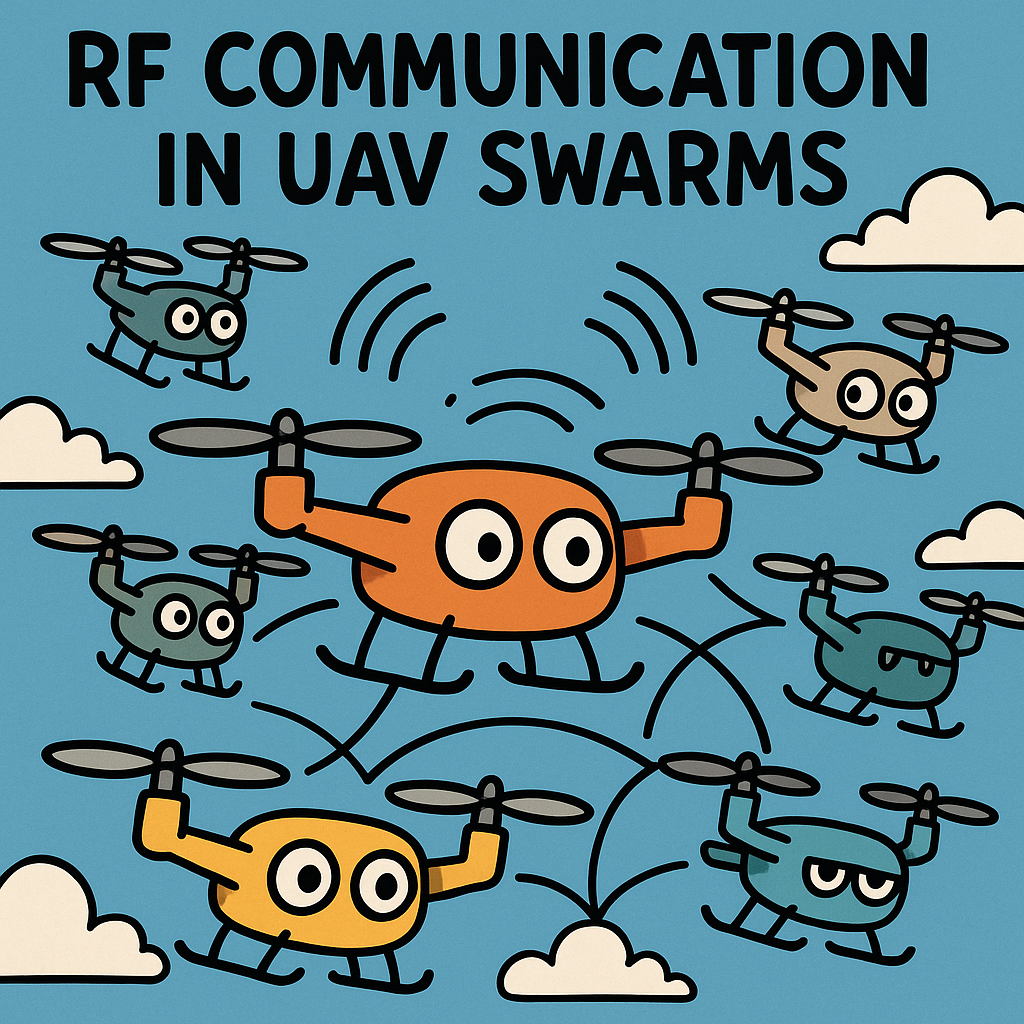
Understanding the Landscape of UAV Swarm Communication
In the rapidly evolving domain of UAV (Unmanned Aerial Vehicle) swarm operations, optimizing RF communication protocols is paramount for real-time coordination. As we dive into the complexities of managing a large-scale UAV swarm, we encounter unique challenges that demand innovative solutions.
The Challenge of Coordination in Large-Scale Swarms
When dealing with swarms that can number in the hundreds or even thousands of drones, traditional communication methods simply fall short. The issues arise from interference, latency, and bandwidth constraints. RF communication must not only transmit commands but also facilitate inter-drone communication to enable decentralized decision-making. This is essential for mission success in dynamic environments.
Hardware Considerations for Robust Communication
At the hardware level, the choice of RF modules affects everything from range to reliability. Many developers opt for LoRa or Sub-GHz bands due to their long-range capabilities and lower power consumption compared to conventional Wi-Fi or cellular options. However, these come with trade-offs such as reduced data rates.
For example, using a Low Power Wide Area Network (LPWAN) technology can extend communication range significantly, but it also limits the amount of data transmitted per interval. Understanding this balance is crucial. Engineers must consider the mission profile: high-bandwidth data, such as video streams, may necessitate a hybrid approach—leveraging both high-speed communication for data-heavy tasks and low-speed protocols for command and control.
Firmware and Protocol Design
The firmware that governs the communication protocols plays a critical role in managing the swarm’s performance. A common approach is to implement a Time Division Multiple Access (TDMA) scheme, which allocates specific times for each UAV to transmit its data. This minimizes collisions but can introduce latency, especially in a dense network.
Alternatively, a Carrier Sense Multiple Access with Collision Avoidance (CSMA/CA) protocol can be used, where drones listen for a clear channel before sending data. While this can help reduce collisions, it may lead to delays during busy periods. The choice between these approaches often hinges on the expected drone density and the critical nature of the data being communicated.
Algorithms for Adaptive Coordination
On the algorithmic front, implementing adaptive communication strategies can significantly enhance swarm performance. Machine Learning (ML) algorithms can be employed to predict network congestion by analyzing historical data and adjusting transmission patterns accordingly. For instance, if certain drones frequently operate in high-interference areas, the system can adjust their communication parameters—switching frequency bands or modifying power levels—to maintain robust connectivity.
Such adaptive algorithms not only improve reliability but also optimize energy consumption, prolonging the operational time of each UAV in the swarm. It’s a delicate balance between maintaining connectivity and managing battery life, which is particularly critical in expansive missions.
Real-World Design Trade-offs
In the real world, design trade-offs are inevitable. For instance, deploying a sophisticated communication system may increase the overall cost and complexity of the UAV swarm. Engineers must weigh the benefits of advanced algorithms against the potential for increased failure points. Furthermore, integrating multiple communication protocols can lead to additional overhead, complicating the firmware that controls the drones.
Another critical factor is the environment in which the UAVs operate. Urban areas may necessitate robust RF communication solutions that can deal with multi-path fading and signal obstruction caused by buildings, while rural environments might allow for simpler designs. These environmental considerations force engineers to adapt their designs on a case-by-case basis, often leading to hybrid solutions that combine various technologies for optimal results.
Looking Ahead: The Future of UAV Communication
As we advance into the future of UAV swarm technology, the emphasis on optimizing RF communication protocols will remain a focal point. With the advent of emerging technologies like 5G and beyond, we are likely to witness a paradigm shift in how swarms communicate, enabling even greater autonomy and coordination.
In conclusion, the journey of optimizing RF communication protocols for UAV swarms is a complex interplay of hardware selection, firmware development, algorithmic innovation, and thoughtful design trade-offs. Each decision bears weight on the overall effectiveness of the swarm, and as engineers, we must continually adapt to meet the challenges that lie ahead.