Robust Firmware Platform for Real-Time Thermal Management in EV Inverters
Introduction
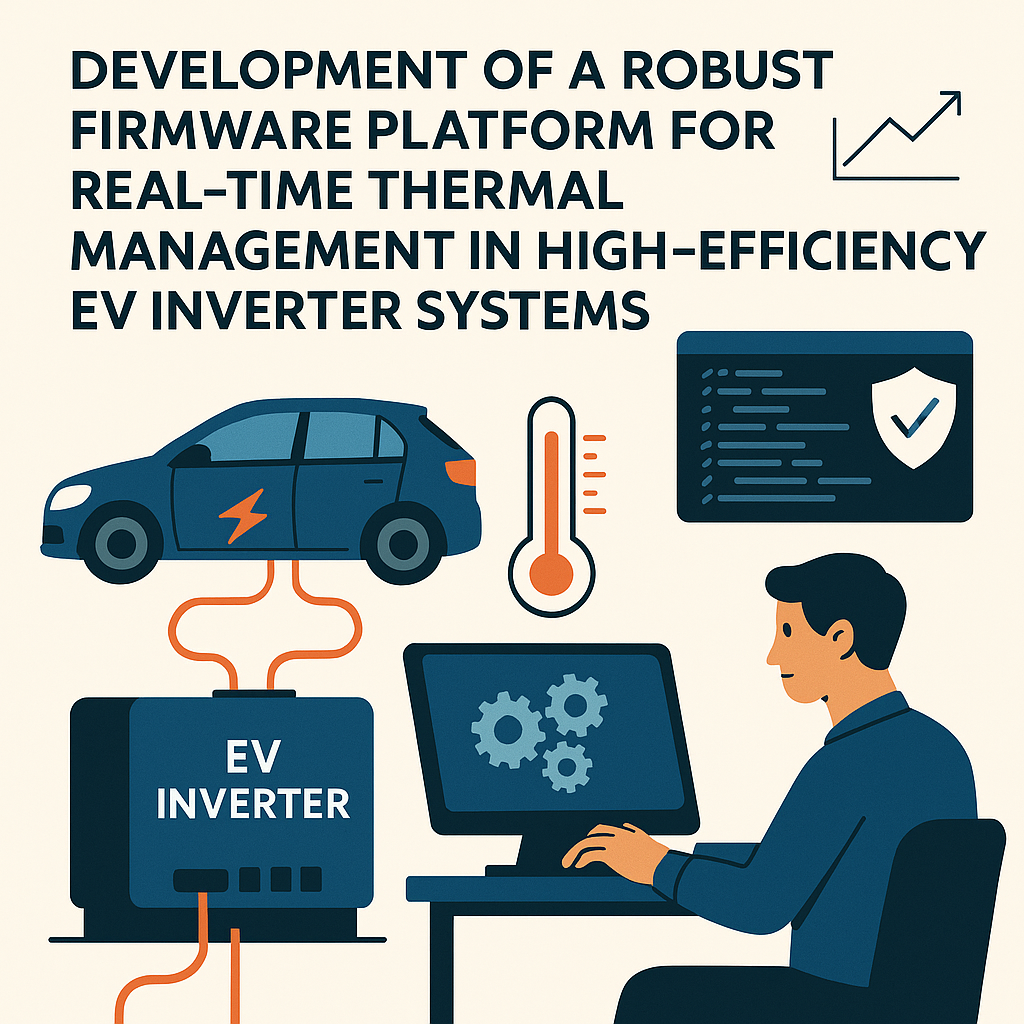
As the demand for electric vehicles (EVs) continues to rise, the need for efficient thermal management systems becomes increasingly crucial. The development of a robust firmware platform for real-time thermal management in high-efficiency EV inverter systems plays a pivotal role in maximizing performance, reliability, and longevity of these vehicles. In this blog post, we will explore the key components, challenges, and solutions involved in creating such a firmware platform.
The Importance of Thermal Management in EV Inverters
Thermal management is essential in managing the heat generated by power electronics in EV inverter systems. Effective thermal management leads to:
- Increased Efficiency: Proper cooling reduces energy losses, enhancing overall system efficiency.
- Extended Lifespan: Maintaining optimal temperature ranges can prolong the life of critical components.
- Enhanced Safety: Preventing overheating minimizes the risk of thermal runaway and ensures safer operation.
Key Components of a Robust Firmware Platform
To develop an effective firmware platform for thermal management, several key components must be considered:
- Temperature Sensors: Accurate and responsive temperature sensors are critical for real-time monitoring of the inverter system.
- Control Algorithms: Advanced algorithms that can dynamically adjust the cooling mechanisms based on temperature readings are essential.
- Communication Protocols: Reliable communication between hardware components and the firmware is necessary for timely data exchange and control.
- User Interface: A user-friendly interface that allows operators to monitor and control thermal management settings enhances usability.
Challenges in Developing the Firmware Platform
While developing a robust firmware platform, engineers face several challenges:
- Integration of Components: Ensuring that various hardware components work seamlessly with the firmware can be complex.
- Real-time Processing: The firmware must process data and execute control commands in real-time to effectively manage thermal conditions.
- Adaptability: The firmware needs to adapt to different operating conditions and hardware variations across various EV models.
- Safety Compliance: Adhering to safety standards and regulations while developing the firmware is paramount.
Solution Strategies
To overcome the challenges outlined above, several solution strategies can be employed:
- Modular Design: Implementing a modular architecture allows for easier integration and upgrades of components.
- Advanced Algorithms: Utilizing machine learning and predictive algorithms can enhance real-time decision-making capabilities.
- Robust Testing: Comprehensive testing under various conditions ensures reliability and safety of the firmware platform.
- Continuous Monitoring: Implementing a feedback loop for continuous monitoring and adjustment of thermal management strategies can improve performance.
Future Trends in Thermal Management Firmware Development
The future of firmware development for thermal management in EV inverters is poised for significant advancements. Some trends to watch include:
- Integration with IoT: The incorporation of Internet of Things (IoT) technologies will enable remote monitoring and management of thermal systems.
- AI and Machine Learning: These technologies will further enhance predictive capabilities, allowing systems to anticipate thermal issues before they arise.
- Sustainability Focus: As the automotive industry shifts towards sustainability, firmware solutions will increasingly prioritize energy-efficient thermal management strategies.
Conclusion
The development of a robust firmware platform for real-time thermal management in high-efficiency EV inverter systems is not only essential for optimizing performance but also for ensuring safety and reliability. By addressing the challenges and employing innovative solutions, engineers can create firmware that meets the evolving demands of the electric vehicle market. As technology advances, the integration of AI, IoT, and sustainable practices will pave the way for more efficient and effective thermal management systems, ultimately accelerating the adoption of electric vehicles worldwide.