Impact of Ransomware on OTA Firmware Updates in Autonomous Vehicles
Introduction
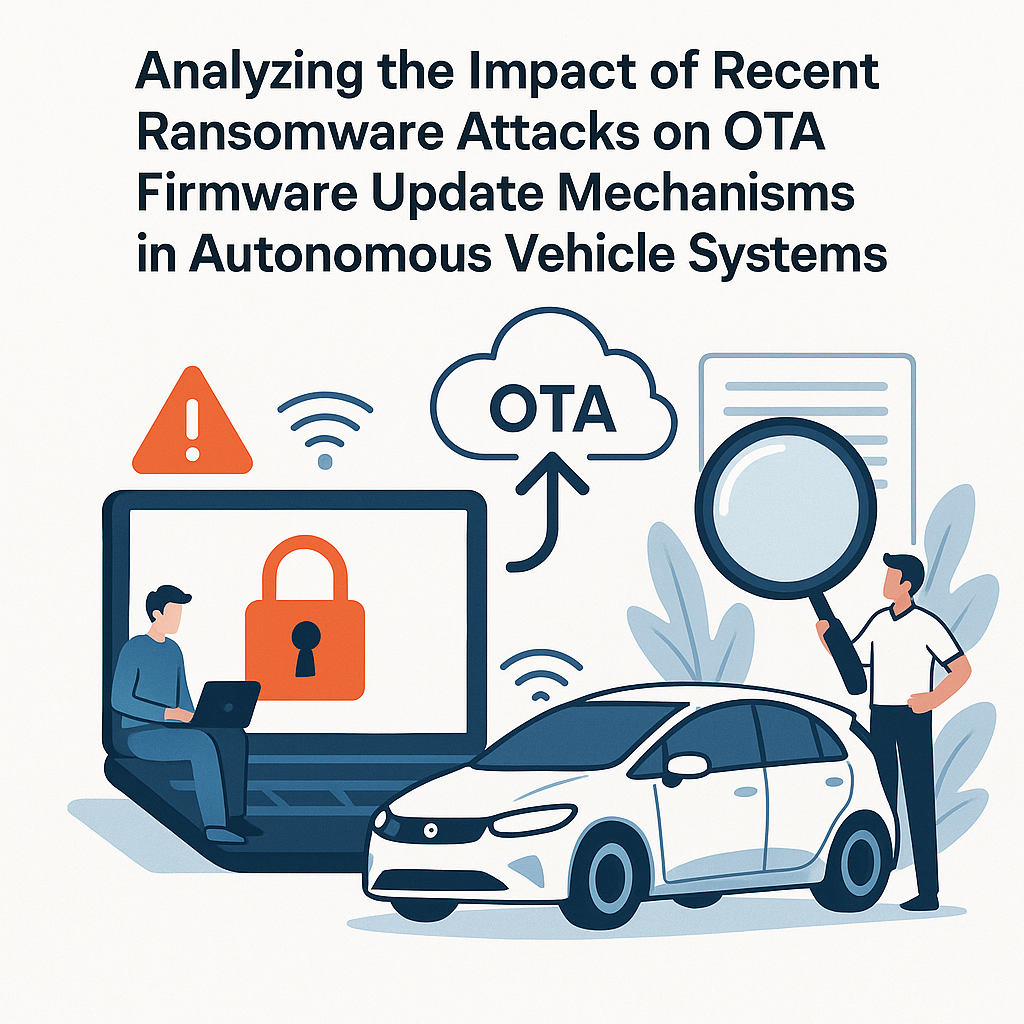
As the technology behind autonomous vehicles continues to evolve, the importance of Over-The-Air (OTA) firmware updates has become increasingly apparent. However, recent ransomware attacks have raised significant concerns about the security of these mechanisms. This article delves into the nature of these attacks, their implications on OTA firmware updates, and what the future may hold for autonomous vehicle systems.
Understanding Ransomware Attacks
Ransomware attacks are malicious software that encrypts a victim’s data, rendering it inaccessible until a ransom is paid. These attacks have become more sophisticated, targeting various sectors, including automotive companies that rely on OTA updates to maintain their vehicles’ software integrity.
Key Characteristics of Ransomware Attacks
- Encryption of Data: Attackers encrypt files, demanding payment for decryption keys.
- Phishing Techniques: Many ransomware attacks start with phishing emails that trick users into downloading malicious software.
- Targeted Attacks: Recent trends show a move towards targeting specific industries, such as automotive, for greater financial gain.
OTA Firmware Update Mechanisms
OTA firmware updates allow manufacturers to deploy software updates directly to vehicles without requiring physical access. This capability is crucial for enhancing vehicle performance, fixing bugs, and improving security protocols. However, it also introduces vulnerabilities that can be exploited by cybercriminals.
Benefits of OTA Updates
- Convenience: No need for service center visits.
- Timely Updates: Manufacturers can quickly address issues as they arise.
- Cost-effective: Reduces the overall cost of maintaining vehicle software.
Vulnerabilities of OTA Updates
- Network Security: OTA updates rely on internet connectivity, which can be susceptible to hacking.
- Verification Processes: If not properly implemented, malicious updates can be inadvertently installed.
- Data Integrity: Lack of secure channels can lead to data interception during the update process.
Impact of Ransomware on OTA Firmware Updates
The intersection of ransomware attacks and OTA firmware updates poses a significant challenge for manufacturers and consumers alike. The implications of these attacks are profound, impacting not only the vehicle’s operational capabilities but also consumer trust.
Immediate Consequences
- Operational Disruption: Vehicles may become inoperable if their software is compromised.
- Financial Loss: Companies may incur significant costs related to ransom payments, remediation, and reputational damage.
- Regulatory Scrutiny: Increased attention from regulators regarding cybersecurity measures in automotive systems.
Long-term Implications
- Consumer Distrust: Repeated incidents could lead consumers to question the safety of autonomous vehicles.
- Increased Security Investment: Manufacturers will need to allocate more resources to cybersecurity measures.
- Standardization of Security Protocols: The industry may push for standardized security practices in OTA updates to safeguard against future attacks.
Strategies for Enhancing OTA Update Security
As the threat landscape evolves, manufacturers must adopt robust security measures to protect OTA firmware updates from ransomware attacks. Here are several strategies that can be employed:
1. Implement Strong Encryption
All data transferred during OTA updates should be encrypted to prevent interception and unauthorized access.
2. Multi-Factor Authentication
Requiring multi-factor authentication for accessing update servers can add an additional layer of security.
3. Regular Security Audits
Conducting regular security audits can help identify and rectify vulnerabilities before they can be exploited.
4. Incident Response Plans
Developing and regularly updating incident response plans will ensure that manufacturers can respond quickly and effectively to ransomware attacks.
Conclusion
The rise of ransomware attacks presents a significant threat to the security of OTA firmware update mechanisms in autonomous vehicle systems. As these vehicles become more integrated into daily life, ensuring their cybersecurity is paramount. By understanding the risks and implementing proactive security measures, manufacturers can safeguard their systems and maintain consumer trust. The future of autonomous vehicles rests not only on technological advancements but also on robust defenses against malicious threats.