Impact of IEEE 11073 Standards on Wearable Diabetes Devices in Healthcare IoT
Introduction
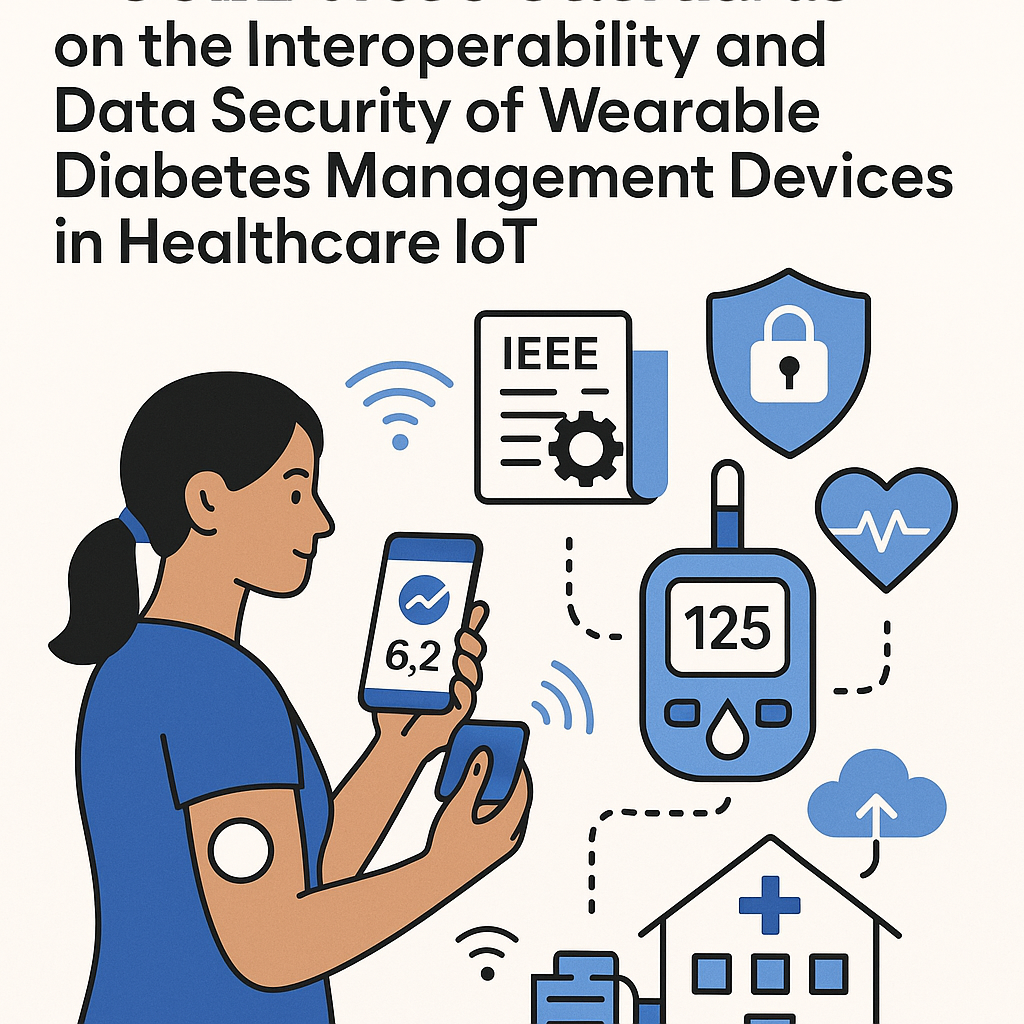
The rise of wearable diabetes management devices has revolutionized how patients monitor and manage their health. However, the effectiveness of these devices is heavily reliant on their ability to communicate seamlessly with various healthcare systems. IEEE 11073 standards play a crucial role in ensuring interoperability and data security among these devices within the Healthcare Internet of Things (IoT). This article delves into the impact of IEEE 11073 standards on the interoperability and data security of wearable diabetes management devices.
What are IEEE 11073 Standards?
IEEE 11073 is a set of standards developed to enable interoperability between medical devices and healthcare systems. Specifically, these standards focus on the exchange of health-related data, ensuring that devices from different manufacturers can communicate effectively. Key components include:
- Standardized Data Representation: Ensures that data from different devices is formatted consistently.
- Communication Protocols: Defines how data is transmitted and received across networks.
- Interoperability Profiles: Specifies the requirements for device functionality and data exchange.
The Importance of Interoperability in Healthcare IoT
Interoperability refers to the ability of different systems and devices to work together. In the context of wearable diabetes management devices, interoperability is vital for several reasons:
- Enhanced Patient Care: Seamless data exchange allows healthcare providers to receive real-time information about a patient’s condition, leading to timely interventions.
- Comprehensive Health Monitoring: Combining data from various devices provides a more holistic view of a patient’s health, improving treatment outcomes.
- Facilitated Research and Development: Standardized data makes it easier for researchers to analyze trends and develop better management strategies.
Impact of IEEE 11073 on Interoperability
The IEEE 11073 standards significantly enhance interoperability in the following ways:
- Seamless Integration: Devices adhering to IEEE 11073 can easily integrate with various health information systems, reducing the complexity of data management.
- Cross-Device Compatibility: Standards ensure that devices from different manufacturers can communicate, allowing patients the freedom to choose devices that best fit their needs.
- Improved Data Accuracy: Standardized communication protocols reduce errors in data transmission, leading to more accurate and reliable health information.
Data Security Concerns in Healthcare IoT
While interoperability is crucial, data security is equally important in the context of wearable diabetes management devices. As these devices collect sensitive health information, they become targets for cyber threats. The IEEE 11073 standards address data security through:
- Data Encryption: Ensures that data transmitted between devices and networks is secure and protected from unauthorized access.
- Access Control: Defines who can access and interact with data, ensuring that only authorized personnel can view sensitive information.
- Regular Updates and Compliance: Encourages manufacturers to keep devices updated with the latest security protocols, minimizing vulnerabilities.
Challenges in Implementing IEEE 11073 Standards
Despite the benefits, the implementation of IEEE 11073 standards faces several challenges:
- Cost of Compliance: Manufacturers may face high costs in developing devices that meet the standards, which could deter innovation.
- Lack of Awareness: Some manufacturers and healthcare providers may not fully understand the standards, leading to inconsistent adoption.
- Complexity of Standards: The detailed nature of the standards can be overwhelming for smaller companies, hindering their ability to comply.
Case Studies: Successful Implementation of IEEE 11073 Standards
Several organizations have successfully implemented IEEE 11073 standards in their wearable diabetes management devices:
- Company A: By integrating IEEE 11073 standards, Company A improved data sharing between its glucose monitoring device and electronic health records, enhancing patient care.
- Company B: This company utilized the standards to create a multi-device ecosystem, allowing users to connect their insulin pumps, glucose meters, and mobile apps seamlessly.
Conclusion
The IEEE 11073 standards play a pivotal role in enhancing the interoperability and data security of wearable diabetes management devices within the Healthcare IoT ecosystem. By fostering seamless communication between devices and ensuring the protection of sensitive health information, these standards significantly improve patient outcomes and the overall quality of care. While challenges remain in implementation, the long-term benefits of adopting IEEE 11073 standards are clear, making them essential for the future of diabetes management and healthcare technology.