Impact of Bluetooth LE Audio Multi-Stream on Hearing Aid Design and Performance
Introduction
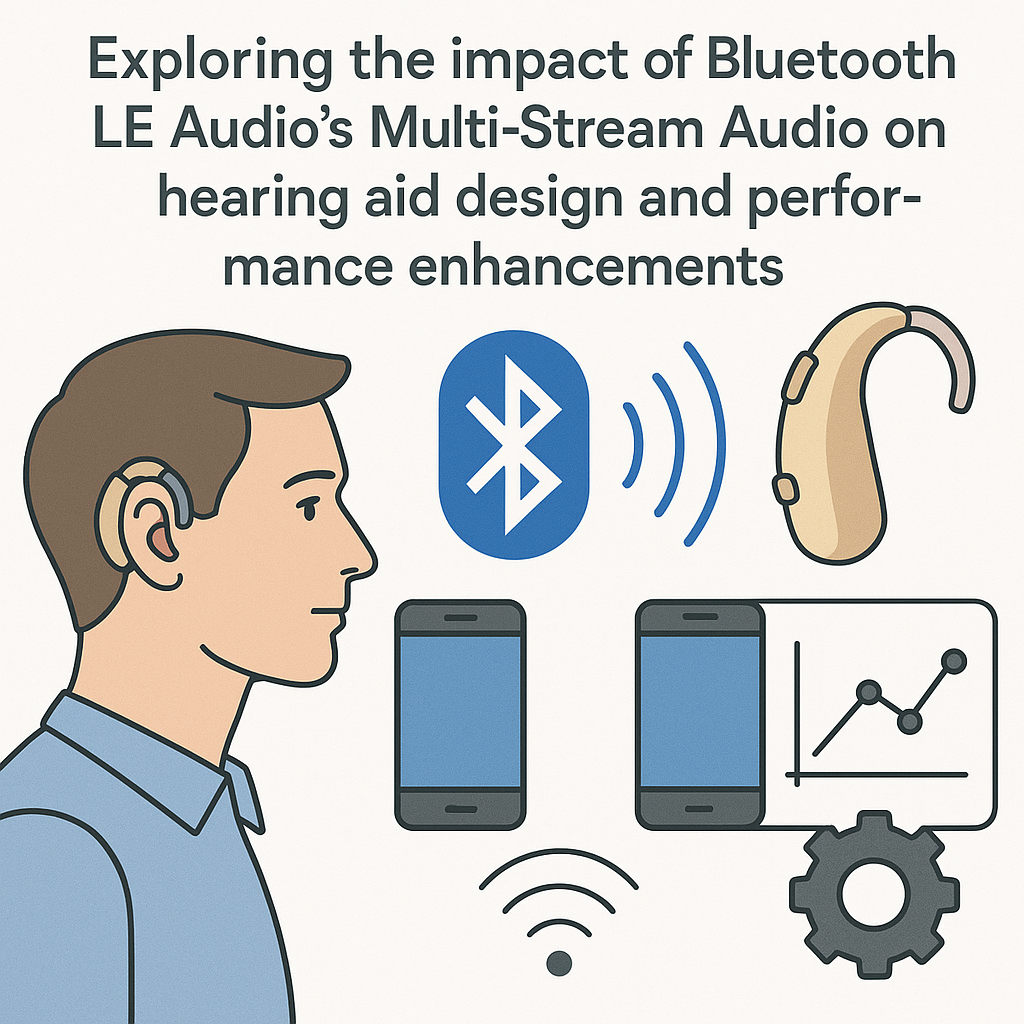
The advent of Bluetooth Low Energy (LE) Audio has heralded a new era in wireless audio technology, particularly in the realm of hearing aids. One of the standout features of Bluetooth LE Audio is its Multi-Stream Audio capability, which allows for a more immersive and streamlined listening experience. This blog post explores how Multi-Stream Audio is transforming hearing aid design and performance enhancements, ultimately benefiting users with hearing impairments.
Understanding Bluetooth LE Audio
Bluetooth LE Audio is an upgrade to the traditional Bluetooth audio technology. Unlike previous iterations, which were limited in their capabilities due to bandwidth restrictions, LE Audio utilizes a new codec called LC3 (Low Complexity Communication Codec). This codec significantly improves audio quality while reducing power consumption, making it particularly advantageous for battery-operated devices like hearing aids.
Key Features of Bluetooth LE Audio
- Low Power Consumption: Designed for extended battery life.
- Improved Audio Quality: The LC3 codec enhances sound fidelity.
- Multi-Stream Audio: Enables simultaneous audio streams to multiple devices.
The Multi-Stream Audio Revolution
Multi-Stream Audio is a game changer for hearing aids. This feature allows multiple audio streams to be transmitted simultaneously, providing users with a richer auditory experience. Here’s how it impacts hearing aid design and performance:
1. Enhanced Sound Localization
One of the most notable benefits of Multi-Stream Audio is improved sound localization. With traditional hearing aids, users often struggle to determine where sounds are coming from, especially in noisy environments. With Multi-Stream Audio, hearing aids can receive audio from multiple sources, allowing for better spatial awareness.
2. Personalized Listening Experiences
Multi-Stream Audio enables users to tailor their listening experiences. For instance, individuals can connect their hearing aids to different audio sources, such as smartphones, televisions, or computers, and adjust the volume and balance of each stream independently. This personalization leads to:
- Greater user satisfaction
- Improved clarity in conversations
- Enhanced enjoyment of media
3. Improved Connectivity with Other Devices
The ability to connect multiple devices seamlessly enhances the overall functionality of hearing aids. Users can switch between audio sources without the need to disconnect and reconnect, creating a more fluid experience. This feature is especially beneficial in:
- Social settings
- Professional environments
- Entertainment scenarios
Design Innovations Driven by Multi-Stream Audio
As manufacturers integrate Multi-Stream Audio into hearing aid designs, several innovations have emerged:
1. Smaller, More Efficient Designs
With improved audio processing capabilities and lower power requirements, manufacturers can create smaller and more discreet hearing aids. This appeals to users who prefer a minimalist aesthetic without compromising functionality.
2. Advanced Microphone Technology
The integration of Multi-Stream Audio necessitates the use of advanced microphone arrays that can pick up sounds from various directions. This technology allows hearing aids to create a multi-dimensional listening experience, enhancing clarity and reducing background noise.
3. Software Enhancements
Manufacturers are also developing sophisticated software solutions to manage audio streams effectively. This includes automatic adjustments based on environmental changes, allowing users to enjoy optimal sound quality without manual intervention.
Challenges and Considerations
While the benefits of Multi-Stream Audio are substantial, several challenges must be addressed:
1. Compatibility Issues
Not all devices currently support Bluetooth LE Audio, which can limit the functionality of hearing aids. Ensuring widespread compatibility is crucial for maximizing the benefits of this technology.
2. User Education
As with any new technology, educating users about the features and benefits of Multi-Stream Audio is vital. Manufacturers must provide clear instructions and support to help users navigate their new hearing aids effectively.
Conclusion
Bluetooth LE Audio’s Multi-Stream Audio feature is revolutionizing hearing aid design and performance, enhancing the listening experience for users with hearing impairments. As technology continues to evolve, we can expect to see even more innovative solutions that improve sound quality, connectivity, and user satisfaction. By embracing these advancements, individuals with hearing loss can engage more fully with their environment, bridging the gap between them and the world around them.