High-Efficiency Embedded Control System for Lithium-Ion Battery Optimization
Introduction
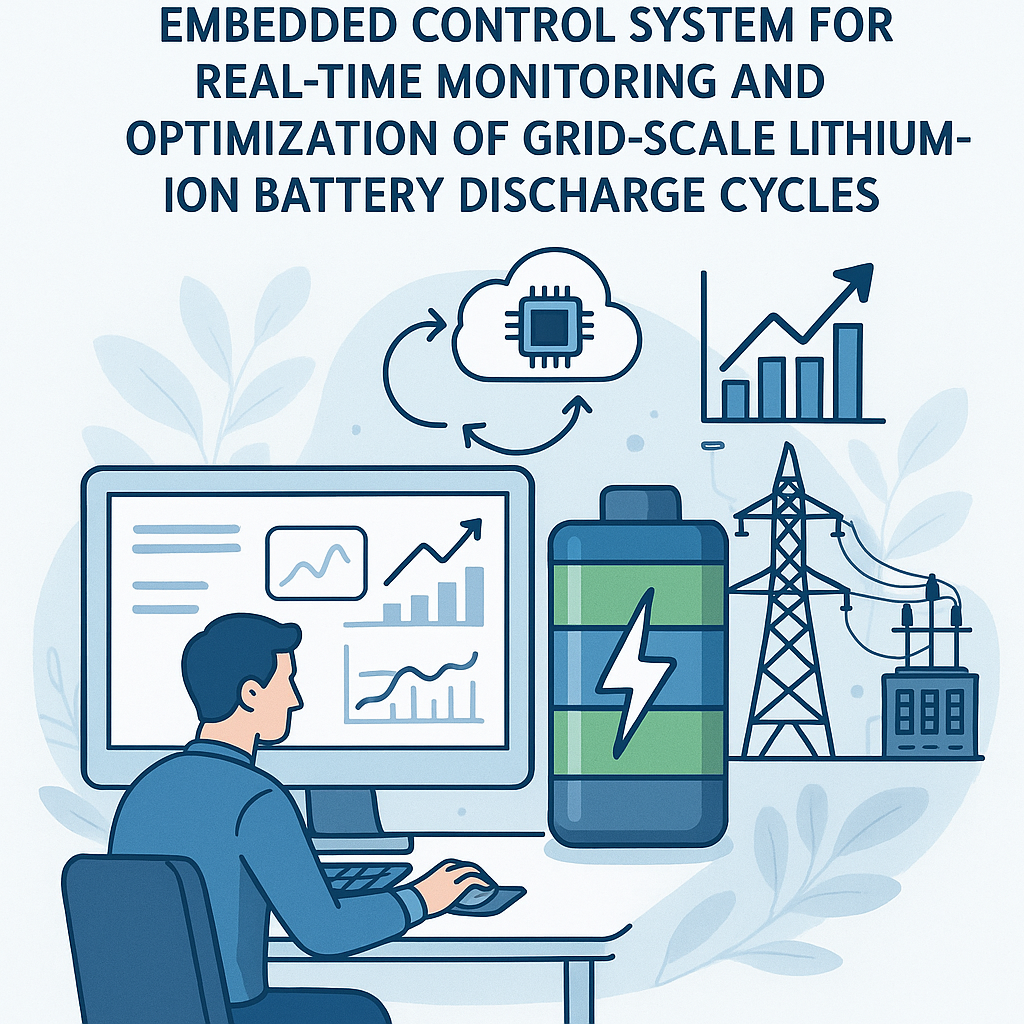
As the demand for renewable energy sources continues to rise, the necessity for efficient energy storage systems becomes increasingly critical. Among the available options, lithium-ion batteries stand out due to their high energy density and performance reliability. However, optimizing their discharge cycles is essential to enhance their lifespan and overall efficiency. This blog post will explore the development of a high-efficiency embedded control system designed for real-time monitoring and optimization of grid-scale lithium-ion battery discharge cycles.
Understanding Lithium-Ion Battery Discharge Cycles
The discharge cycle of a lithium-ion battery refers to the process of energy being drawn from the battery to power devices or systems. Efficient management of this cycle is crucial for:
- Maximizing efficiency: Ensuring that energy is utilized optimally.
- Extending lifespan: Reducing wear and tear on battery cells.
- Enhancing safety: Preventing overheating and potential hazards.
Key Components of the Embedded Control System
The development of a high-efficiency embedded control system involves several key components:
- Microcontroller: Acts as the brain of the system, processing data and making real-time decisions.
- Sensors: Measure voltage, current, and temperature, providing critical data for monitoring battery health.
- Communication Modules: Enable data transmission between the battery system and external devices or networks.
- Power Management Circuits: Ensure the efficient distribution of power during discharge cycles.
Real-Time Monitoring
Real-time monitoring is foundational to optimizing lithium-ion battery discharge cycles. The embedded control system continuously collects data from the sensors, allowing for:
- Instant feedback: Immediate responses to changing conditions.
- Data logging: Recording historical performance data for analysis.
- Condition assessment: Evaluating battery state and predicting failure points.
Optimization Algorithms
To effectively manage discharge cycles, the system employs various optimization algorithms, including:
- Dynamic Programming: Evaluates multiple possible discharge paths to find the most efficient one.
- Fuzzy Logic Control: Provides a way to handle uncertainty and variability in battery performance.
- Machine Learning: Utilizes historical data to improve prediction accuracy for future discharge cycles.
These algorithms work together to ensure that the battery operates at peak efficiency while minimizing degradation and maximizing output.
Implementation Challenges
While the development of a high-efficiency embedded control system offers numerous benefits, it is not without its challenges:
- Integration with Existing Infrastructure: Ensuring compatibility with current grid systems can be complex.
- Real-Time Data Processing: Handling large volumes of data quickly and accurately is essential.
- Reliability and Redundancy: The system must be robust enough to handle failures without compromising performance.
Future Trends in Battery Management Systems
The field of battery management systems is rapidly evolving. Some anticipated trends include:
- Increased Use of AI: Artificial intelligence will play a more significant role in predictive maintenance and optimization.
- Enhanced Cybersecurity Measures: As systems become more connected, protecting against cyber threats will be paramount.
- Integration with Smart Grids: Improved communication and data sharing will enhance overall grid efficiency.
Conclusion
In conclusion, the development of a high-efficiency embedded control system for real-time monitoring and optimization of grid-scale lithium-ion battery discharge cycles represents a significant advancement in energy storage technology. By leveraging real-time data, optimization algorithms, and innovative technologies, we can ensure that lithium-ion batteries are utilized to their fullest potential. As we continue to explore and refine these systems, the future of energy storage looks promising, paving the way for a more sustainable and efficient energy landscape.