Enhancing Smart Manufacturing with OTA Firmware Updates for OPC UA Gateways
Introduction
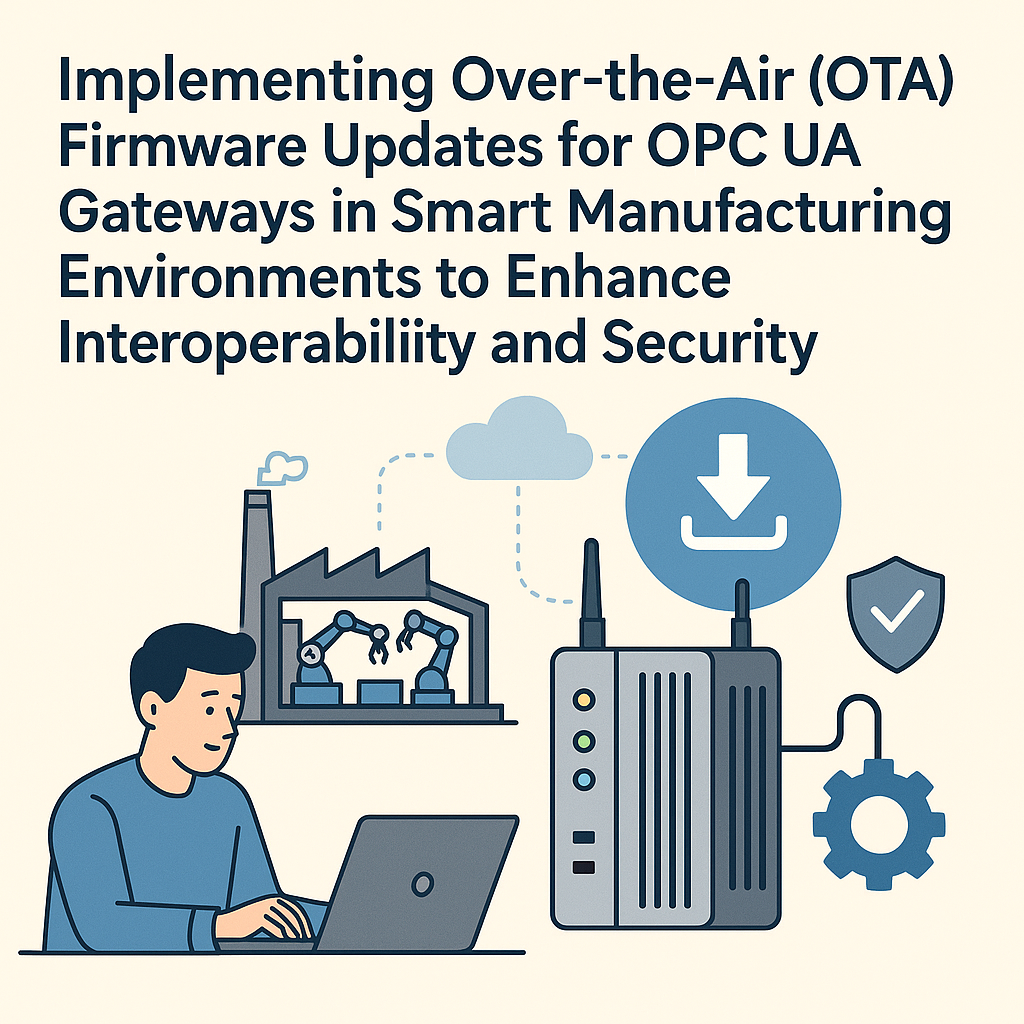
In the rapidly evolving landscape of smart manufacturing, ensuring interoperability and security in industrial systems is of paramount importance. Over-the-Air (OTA) firmware updates have emerged as a pivotal solution for enhancing the performance and reliability of OPC UA (Open Platform Communications Unified Architecture) gateways. This article explores the implementation of OTA firmware updates in OPC UA gateways, highlighting their significance in improving interoperability and security within smart manufacturing environments.
Understanding OPC UA Gateways
OPC UA gateways serve as critical components in smart manufacturing, enabling seamless communication between various devices, systems, and applications. Here are some key aspects of OPC UA gateways:
- Interoperability: They facilitate data exchange between different devices regardless of manufacturer or protocol.
- Scalability: OPC UA gateways can accommodate various devices and systems, making them suitable for both small and large-scale operations.
- Security: They implement robust security measures, including encryption and authentication, to protect sensitive data.
The Role of OTA Firmware Updates
OTA firmware updates enable remote updating of software on devices without the need for physical access. This capability offers several advantages:
- Efficiency: Reduces downtime by allowing updates to be performed during off-peak hours or automatically.
- Cost-Effectiveness: Minimizes the need for on-site technicians, thus reducing operational costs.
- Timely Security Patches: Ensures that devices receive critical security updates promptly to mitigate vulnerabilities.
Implementing OTA Firmware Updates in OPC UA Gateways
Implementing OTA updates in OPC UA gateways involves several steps to ensure effectiveness and reliability:
1. Establish a Secure Update Mechanism
Security is crucial when implementing OTA updates. The update mechanism should include:
- Authentication: Ensure that only authorized personnel can initiate updates.
- Encryption: Use encryption protocols (such as TLS) to protect update files in transit.
- Integrity Checks: Implement checksums or hashes to verify the integrity of the firmware before installation.
2. Develop a Robust Update Strategy
A well-defined update strategy is essential. Consider the following:
- Update Frequency: Determine how often updates will be released based on the criticality of patches and enhancements.
- Rollback Mechanism: Implement a rollback feature that allows reverting to previous firmware versions in case of issues.
- Testing Procedures: Thoroughly test updates in a controlled environment before rolling them out to production systems.
3. User Notifications and Monitoring
Keeping users informed is vital for successful OTA implementations:
- Notification System: Create a notification system to inform users about upcoming updates and their benefits.
- Real-Time Monitoring: Monitor the status of updates in real-time to quickly address any issues that arise.
Challenges in OTA Implementation
While OTA firmware updates offer numerous benefits, challenges must be addressed to ensure successful implementation:
1. Network Reliability
OTA updates require a stable network connection. Considerations include:
- Redundancy: Implement redundant network paths to ensure continuous connectivity.
- Bandwidth Management: Optimize bandwidth usage to prevent network congestion during updates.
2. Device Compatibility
Compatibility across different devices and versions is essential:
- Version Control: Maintain strict version control to avoid compatibility issues during updates.
- Testing Across Platforms: Ensure firmware is tested on all compatible devices before deployment.
3. User Acceptance
User resistance can hinder OTA adoption:
- Training: Provide training sessions for users to understand the benefits and processes of OTA updates.
- Feedback Mechanism: Establish a feedback system to address user concerns and improve the process.
Conclusion
Implementing Over-the-Air firmware updates for OPC UA gateways in smart manufacturing environments is a critical step toward enhancing interoperability and security. By establishing a secure update mechanism, developing a robust update strategy, and addressing potential challenges, organizations can significantly improve their operational efficiency and safeguard their systems against vulnerabilities. As the manufacturing landscape continues to evolve, embracing OTA updates will be essential for staying competitive and ensuring the resilience of smart manufacturing systems.