Energy-Efficient Embedded Computing for 5G RedCap and NTN IoT Solutions
Introduction
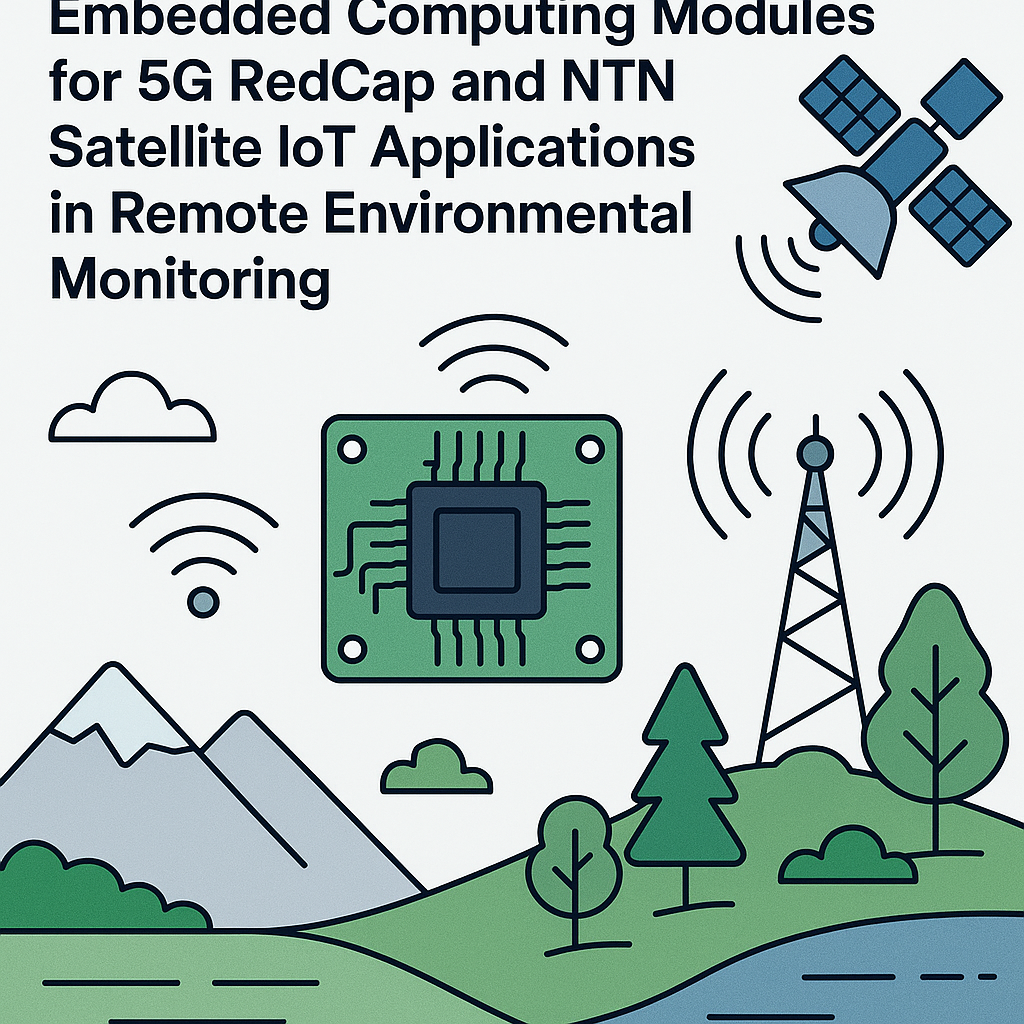
As the demand for reliable and efficient data transmission in remote environments continues to grow, designing energy-efficient embedded computing modules has become paramount. This is particularly true for applications leveraging 5G RedCap and Non-Terrestrial Networks (NTN) satellite technologies for Internet of Things (IoT) solutions in environmental monitoring. This blog post explores the key considerations and strategies for developing these advanced systems.
Understanding the Context
The integration of 5G RedCap and NTN satellite networks presents unique challenges and opportunities for embedded computing. These technologies are essential for:
- Facilitating low-latency communication in remote areas.
- Enabling real-time data collection and analysis from environmental sensors.
- Supporting a wide range of applications, from wildlife tracking to climate monitoring.
Key Challenges in Designing Energy-Efficient Modules
When designing embedded computing modules for these applications, several challenges must be addressed:
- Power Consumption: Embedded systems need to operate with minimal energy, particularly in remote locations where power sources may be limited.
- Thermal Management: Efficient heat dissipation is crucial to maintain performance and reliability.
- Size Constraints: Many environmental monitoring applications require compact designs that can withstand harsh conditions.
- Connectivity: Ensuring robust and reliable communication in various environmental conditions is essential.
Design Strategies for Energy Efficiency
To overcome these challenges, several design strategies can be employed:
1. Low-Power Components
Selecting low-power microcontrollers and processors can significantly reduce energy consumption. Consider components that offer:
- Dynamic voltage and frequency scaling (DVFS).
- Sleep modes that minimize power usage during periods of inactivity.
2. Energy Harvesting Techniques
Incorporating energy harvesting methods can extend the operational life of embedded modules. These techniques include:
- Solar Energy: Utilizing solar panels to generate power in sunny environments.
- Vibration Energy Harvesting: Capturing energy from environmental vibrations.
3. Efficient Communication Protocols
Choosing the right communication protocols can also impact energy efficiency. For 5G RedCap and NTN applications, consider:
- Narrowband IoT (NB-IoT): Optimized for low-power, wide-area applications.
- MQTT: A lightweight messaging protocol that reduces bandwidth and power consumption.
4. Optimized Software Algorithms
Implementing energy-efficient software algorithms is just as important as hardware choices. Strategies include:
- Data compression techniques to reduce transmission size.
- Event-driven programming models that allow the system to sleep when not in use.
Integration of 5G RedCap and NTN Technologies
The combination of 5G RedCap and NTN technologies offers exciting opportunities for enhanced connectivity in remote monitoring systems. Key benefits include:
- Extended Coverage: NTN can provide connectivity in areas where terrestrial networks are unavailable.
- Increased Data Rates: 5G RedCap allows for higher data throughput, enabling more sophisticated monitoring capabilities.
Real-World Applications
Several real-world applications illustrate the effectiveness of energy-efficient embedded computing modules in remote environmental monitoring:
- Wildlife Tracking: Lightweight sensors can monitor animal movements without impacting their natural behavior.
- Climate Monitoring Stations: Solar-powered systems can collect and transmit environmental data continuously.
- Disaster Monitoring: These systems can provide critical data during natural disasters, aiding in response efforts.
Conclusion
Designing energy-efficient embedded computing modules for 5G RedCap and NTN satellite IoT applications is a complex but rewarding endeavor. By focusing on low-power components, energy harvesting, optimized communication protocols, and efficient software algorithms, engineers can create robust systems capable of operating in some of the most challenging environments. As technology advances, the potential for these systems to drive innovation in environmental monitoring will only continue to grow, ultimately contributing to better data-driven decisions for our planet’s future.