Advancements in DSRC V2X Chipsets for Urban Vehicle Safety Systems
Introduction
As cities become more congested and the demand for safer transportation systems grows, the need for advanced communication technologies in vehicles is becoming increasingly critical. Dedicated Short-Range Communications (DSRC) is one such technology that facilitates Vehicle-to-Everything (V2X) communication, enabling vehicles to communicate with each other and with road infrastructure. This blog post explores the latest advancements in DSRC-based V2X communication chipsets, highlighting their role in enhancing vehicle-to-infrastructure safety systems in urban environments.
Understanding DSRC and V2X Communication
DSRC is a wireless communication protocol specifically designed for automotive applications. It operates in the 5.9 GHz band and allows for low-latency communication, which is essential for real-time safety applications. V2X communication encompasses several types of interactions:
- Vehicle-to-Vehicle (V2V): Communication between vehicles to share information about speed, direction, and potential hazards.
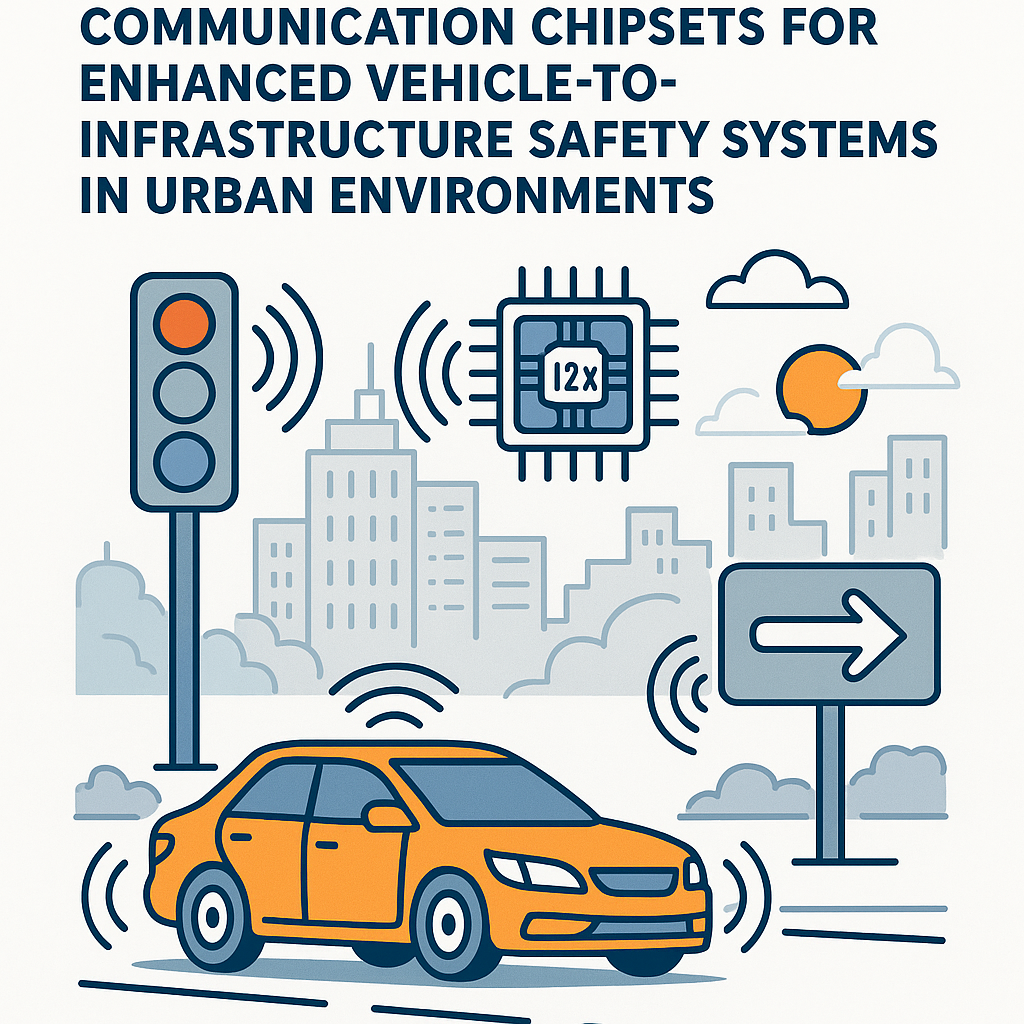
- Vehicle-to-Infrastructure (V2I): Interaction between vehicles and road infrastructure like traffic lights, road signs, and parking systems.
- Vehicle-to-Pedestrian (V2P): Communication with pedestrians through mobile devices or dedicated infrastructure.
Recent Advancements in DSRC Chipsets
The landscape of DSRC-based V2X communication is rapidly evolving, and the latest advancements in chipsets have significantly improved their performance and capabilities. Key advancements include:
- Increased Range and Reliability: New chipsets are being developed with improved range capabilities, allowing for reliable communication over greater distances. This is crucial in urban environments where buildings and other obstacles can interfere with signals.
- Enhanced Data Processing: Modern chipsets feature advanced processing power, enabling them to handle larger volumes of data and more complex algorithms, leading to quicker response times and improved decision-making.
- Integration with Other Technologies: DSRC chipsets are increasingly being integrated with other communication technologies like Cellular V2X (C-V2X), allowing for hybrid systems that can leverage the strengths of both technologies.
- Improved Security Features: As vehicle communication systems become more sophisticated, so do the security measures. New chipsets come with enhanced encryption and authentication mechanisms to protect against cyber threats.
- Energy Efficiency: Advances in chipset design have led to more energy-efficient models, extending the operational life of on-board systems without compromising performance.
The Role of DSRC in Urban Safety Systems
In urban environments, the implementation of DSRC-based V2X communication chipsets plays a crucial role in enhancing safety systems. Here are some examples of how these chipsets can contribute:
- Traffic Signal Coordination: Vehicles can receive real-time updates from traffic signals, allowing them to adjust their speed accordingly, reducing the likelihood of accidents at intersections.
- Hazard Alerts: DSRC enables vehicles to share information about road conditions, accidents, or other hazards, allowing drivers to take preventative actions in real-time.
- Smart Parking Solutions: Vehicles can communicate with parking infrastructure to find available spaces, reducing congestion and the associated risks of accidents.
- Emergency Vehicle Notifications: Emergency vehicles can use DSRC communication to alert surrounding traffic of their presence, improving response times and reducing conflicts with civilian vehicles.
Challenges and Considerations
Despite the advancements, several challenges remain in the deployment of DSRC-based V2X systems:
- Infrastructure Investment: Significant investment is required to upgrade existing infrastructure to support DSRC communication.
- Standardization Issues: The lack of uniform standards across different regions can complicate the implementation of DSRC technology.
- Public Acceptance: Gaining public trust in V2X technologies and their safety features is essential for widespread adoption.
- Competition from Other Technologies: The rise of C-V2X and other communication technologies presents competition, raising questions about the future viability of DSRC.
Conclusion
The advancements in DSRC-based V2X communication chipsets represent a significant leap forward in enhancing vehicle-to-infrastructure safety systems in urban environments. As these technologies continue to evolve, they promise to improve traffic safety, reduce congestion, and create smarter, more efficient cities. However, addressing the challenges of infrastructure investment, standardization, and public acceptance will be crucial in realizing the full potential of these systems. The future of urban mobility lies in effective communication, and DSRC is at the forefront of this transformative journey.