Adaptive Firmware for Smart Grid Controllers Enhancing Urban IoT Demand Response
Introduction
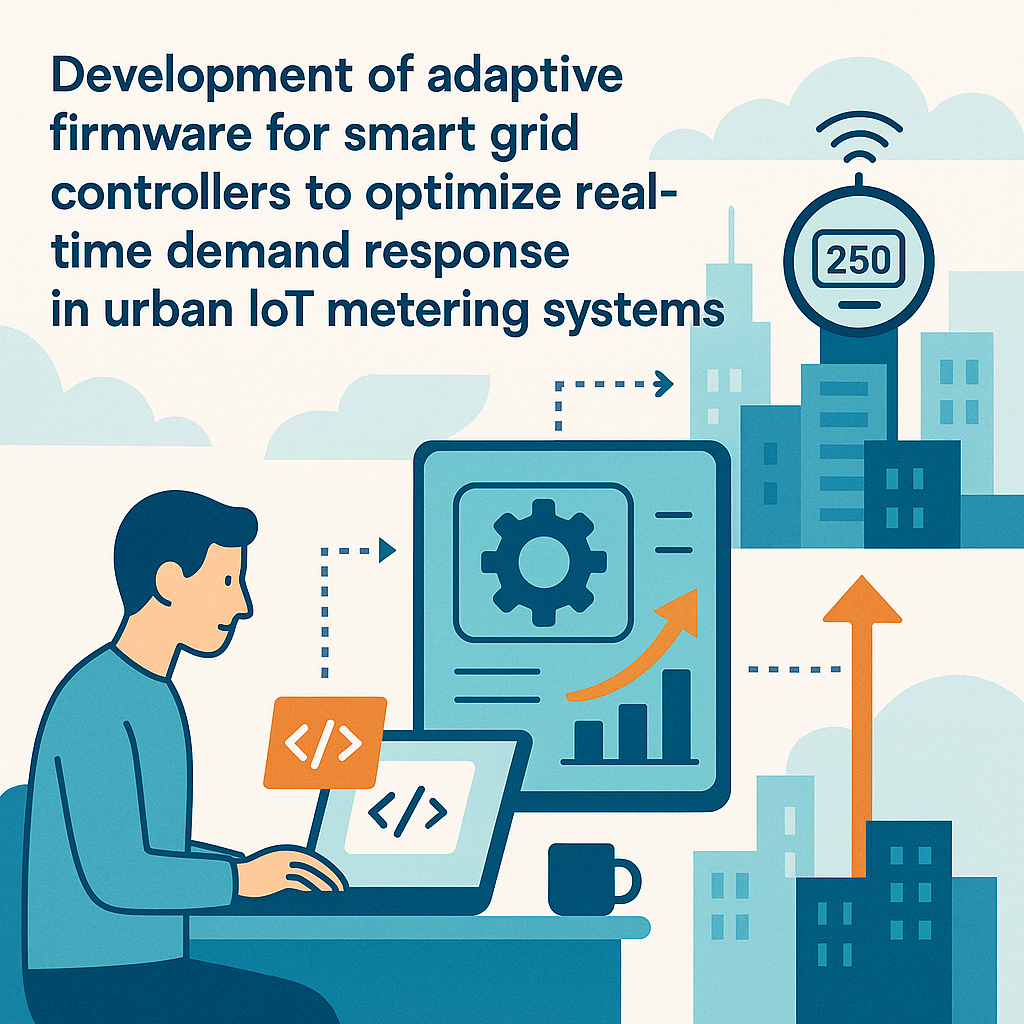
The transition towards smart grids has revolutionized the way we manage energy consumption. With the increasing integration of Internet of Things (IoT) technologies, the ability to optimize real-time demand response in urban metering systems has become essential. This blog post delves into the development of adaptive firmware for smart grid controllers, highlighting its importance in enhancing the efficiency and reliability of urban IoT metering systems.
Understanding Smart Grid Controllers
Smart grid controllers are the backbone of modern energy distribution systems. They play a crucial role in managing the supply and demand of electricity, ensuring that energy is used efficiently. Here are some key functions of smart grid controllers:
- Data Collection: Gathering real-time data from IoT-enabled devices.
- Demand Response Management: Adjusting energy supply based on user demand.
- Load Balancing: Distributing electricity evenly across the grid.
- Fault Detection: Identifying and addressing issues within the grid promptly.
The Role of Adaptive Firmware
Adaptive firmware is vital for enabling smart grid controllers to react to changing conditions in real-time. It allows these controllers to learn from data inputs and make dynamic adjustments to optimize energy distribution. Key aspects of adaptive firmware include:
- Real-Time Analytics: Utilizing algorithms to analyze data instantly, providing actionable insights.
- Self-Learning Capabilities: Implementing machine learning techniques that allow the firmware to improve over time.
- Scalability: Ensuring the firmware can adapt to increasing numbers of devices and users.
Challenges in Developing Adaptive Firmware
While the benefits of adaptive firmware are significant, developers face several challenges in its implementation:
- Data Security: Protecting sensitive information from cyber threats is paramount.
- Interoperability: Ensuring compatibility with a wide range of devices and legacy systems.
- Complexity of Algorithms: Developing algorithms that can efficiently process vast amounts of data without compromising performance.
Implementing Adaptive Firmware in Urban IoT Metering Systems
The integration of adaptive firmware into urban IoT metering systems involves several steps:
- Assessment of Current Infrastructure: Evaluating existing systems to identify areas for improvement.
- Firmware Development: Creating algorithms that can handle real-time data processing and decision-making.
- Testing and Validation: Conducting rigorous testing to ensure the firmware operates as intended under various conditions.
- Deployment: Implementing the firmware across the smart grid controllers within the urban environment.
- Monitoring and Feedback: Continuously monitoring performance and making necessary adjustments based on feedback.
Benefits of Adaptive Firmware in Demand Response
The implementation of adaptive firmware in smart grid controllers offers numerous advantages, particularly in enhancing demand response strategies:
- Increased Efficiency: Optimizes energy consumption by responding to real-time demand fluctuations.
- Cost Savings: Reduces operational costs by minimizing energy waste and peak load instances.
- Enhanced Customer Experience: Provides users with better control over their energy usage and costs through dynamic pricing models.
- Environmental Impact: Supports sustainability goals by promoting energy conservation and reducing carbon footprint.
Conclusion
The development of adaptive firmware for smart grid controllers is a critical step towards optimizing real-time demand response in urban IoT metering systems. By harnessing the power of data analytics and machine learning, these systems can enhance the efficiency, reliability, and sustainability of energy distribution. As cities continue to expand and energy demands grow, the role of adaptive firmware will undoubtedly become more prominent in shaping the future of smart grids.