
Introduction
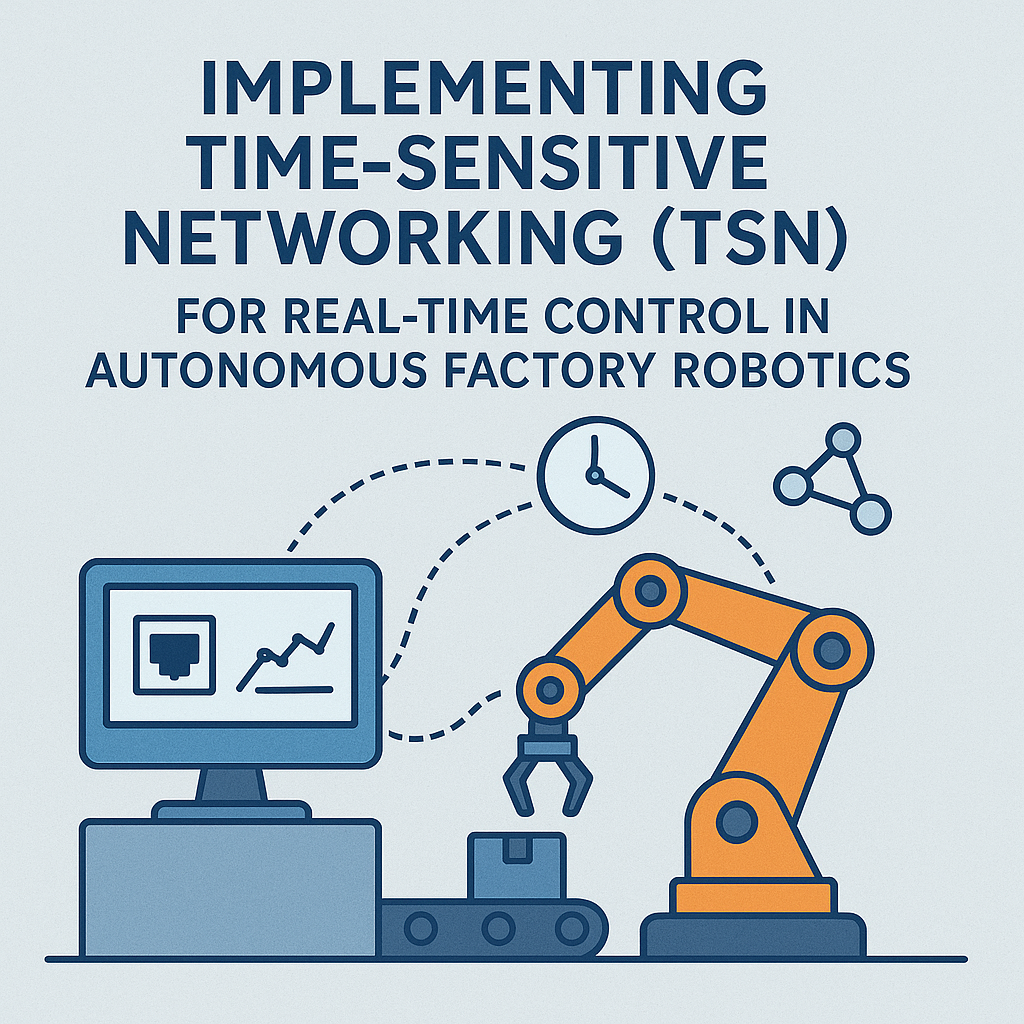
In the rapidly evolving landscape of manufacturing, the integration of autonomous robots is becoming increasingly vital. Time-Sensitive Networking (TSN) plays a crucial role in ensuring that these robots operate efficiently and reliably in real-time environments. This blog post delves into the implementation of TSN in autonomous factory robotics, exploring its benefits, challenges, and best practices.
Understanding Time-Sensitive Networking (TSN)
Time-Sensitive Networking is a set of standards developed by the Institute of Electrical and Electronics Engineers (IEEE) to enable deterministic data transmission over Ethernet networks. TSN is designed to enhance the performance of real-time applications, such as those found in factory automation.
Key Features of TSN
- Deterministic Latency: Guarantees that data packets are delivered within a specified time frame.
- Low Jitter: Minimizes variability in packet delivery times, ensuring smooth operation.
- Synchronization: Provides precise time synchronization across devices, essential for coordinated actions.
- Traffic Shaping: Manages data flow to prioritize critical information and reduce congestion.
The Importance of TSN in Autonomous Factory Robotics
As factories increasingly adopt automation, the need for reliable, real-time communication between robotic systems becomes paramount. TSN facilitates this by providing a robust framework for data exchange, allowing robots to operate with greater efficiency and precision.
Benefits of Implementing TSN
- Improved Coordination: Ensures that multiple robots can work together seamlessly, reducing the risk of collisions and optimizing workflow.
- Enhanced Safety: Real-time communication allows for immediate responses to changes in the environment, improving overall safety in the factory.
- Higher Productivity: Minimizing delays in data transmission enhances throughput and reduces downtime.
- Scalability: TSN supports the integration of additional robots and devices without compromising performance.
Challenges in Implementing TSN
While TSN offers significant advantages, several challenges must be addressed during implementation. Understanding these challenges can help manufacturers prepare and adapt their systems accordingly.
Common Challenges
- Compatibility Issues: Existing infrastructure may not support TSN standards, requiring upgrades or replacements.
- Complexity of Configuration: Setting up a TSN network can be intricate, necessitating specialized knowledge and skills.
- Cost Considerations: Initial investment in TSN-compatible hardware and software can be substantial.
- Training Needs: Personnel may require training to effectively operate and maintain TSN-enabled systems.
Best Practices for Implementing TSN
To successfully implement TSN in autonomous factory robotics, manufacturers should follow several best practices that can help mitigate challenges and maximize benefits.
Steps to Successful TSN Implementation
- Conduct a Needs Assessment: Evaluate current systems and identify specific needs for TSN integration.
- Choose the Right Hardware: Invest in TSN-compatible devices and equipment that meet your operational requirements.
- Engage Experts: Collaborate with TSN specialists or consultants to ensure a smooth transition and proper configuration.
- Test and Validate: Conduct extensive testing to ensure that the TSN network functions as intended before full-scale deployment.
- Provide Training: Offer training programs for staff to familiarize them with TSN technologies and operations.
- Monitor Performance: Continuously evaluate the TSN network’s performance and make adjustments as needed to maintain optimal operation.
Conclusion
Implementing Time-Sensitive Networking (TSN) in autonomous factory robotics can significantly enhance operational efficiency, safety, and productivity. While challenges such as compatibility, complexity, and costs exist, adhering to best practices can facilitate a successful integration. As industries continue to evolve, embracing TSN will be crucial for manufacturers aiming to remain competitive in the era of automation.