Understanding the Need for Adaptive Edge Computing in Solar Microinverters
As the demand for renewable energy sources grows, solar power has emerged as a leading contender. Solar microinverters, which convert the direct current (DC) generated by solar panels into alternating current (AC), have become essential components in maximizing energy yield from photovoltaic systems. However, the efficiency of these microinverters can be significantly affected by variable weather conditions, leading to considerable challenges in energy harvest, particularly when it comes to Maximum Power Point Tracking (MPPT).
Challenges in MPPT Under Variable Weather Conditions
MPPT is crucial for optimizing the power output of solar panels by adjusting the electrical operating point of the modules. However, under changing weather conditions—such as fluctuating temperatures, cloud cover, or shading—traditional MPPT algorithms often struggle to adapt quickly enough. This delay can lead to energy losses, sometimes amounting to several percentage points of potential energy generation.
Moreover, conventional MPPT techniques, like Perturb and Observe (P&O) or Incremental Conductance (IncCond), can exhibit oscillations and fail to converge on the optimal operating point in dynamic environments. This inefficiency is exacerbated when considering that solar installations may span large areas, with varying conditions across different sections of the array.
Adaptive Edge Computing: A Solution to Enhance MPPT Efficiency
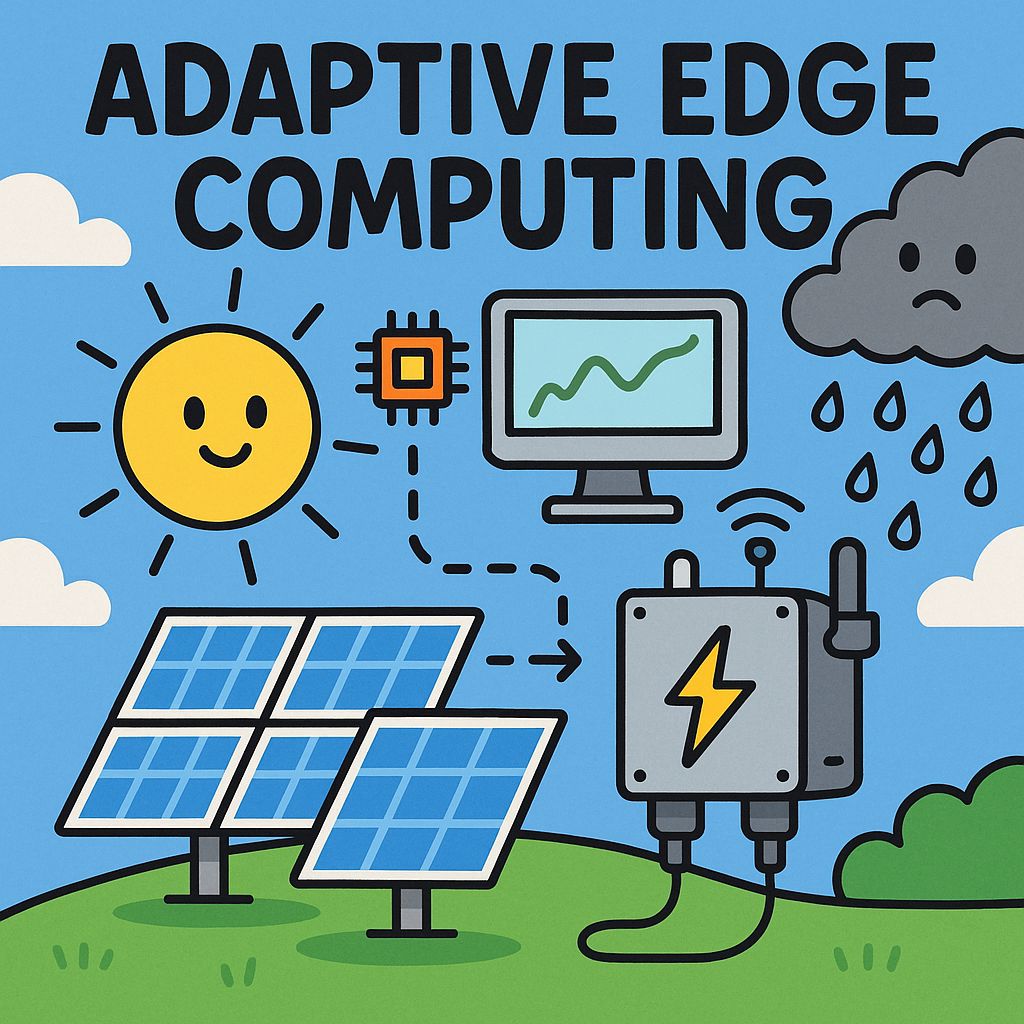
Adaptive edge computing techniques present a promising solution to enhance MPPT efficiency during variable weather conditions. By leveraging localized data processing at the edge of the network—close to the microinverters themselves—systems can respond to changes more rapidly and accurately.
Implementing edge computing involves deploying lightweight processing units and smart algorithms directly within the microinverter hardware. This design choice dramatically reduces the latency associated with data transmission to cloud servers, enabling real-time adjustments to the MPPT algorithms based on instantaneous weather conditions.
Hardware Considerations for Edge Computing in Microinverters
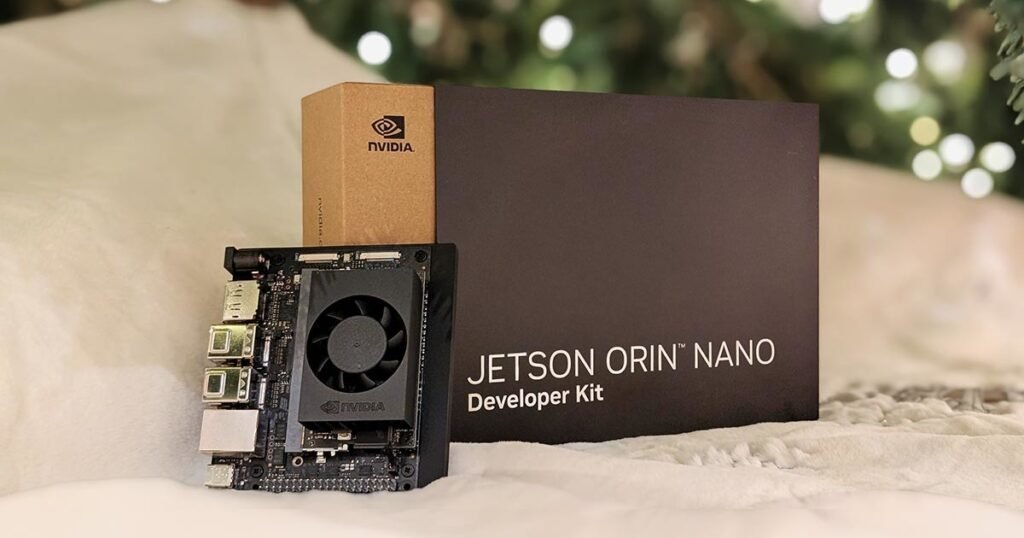
From a hardware perspective, integrating adaptive edge computing requires careful consideration of the microcontroller or digital signal processor (DSP) used in the microinverter. The selected processor must possess adequate computational power while maintaining low power consumption to ensure system efficiency.
For instance, utilizing an ARM Cortex-M series microcontroller can provide the balance needed for handling complex calculations required by advanced MPPT algorithms, such as model predictive control (MPC) or artificial intelligence-driven techniques. Additionally, the hardware must include environmental sensors such as irradiance and temperature sensors to gather real-time data, which is critical for adjusting the operating parameters.
Firmware and Algorithm Development
The firmware running on these microcontrollers is where the magic happens. By incorporating machine learning algorithms, the firmware can learn from historical data and adapt to changing weather patterns. For example, a neural network can be trained to predict the optimal MPPT settings based on past performance data and real-time sensor inputs.
Moreover, implementing a hybrid approach that combines traditional MPPT techniques with adaptive algorithms can yield significant advantages. For example, during stable weather, a classic P&O algorithm can be employed for its simplicity and efficiency. However, as conditions begin to fluctuate, the system can transition to a more robust adaptive algorithm, ensuring that maximum power is consistently extracted.
Real-World Design Trade-offs
While the benefits of adaptive edge computing in microinverters are clear, several design trade-offs must be navigated. One significant challenge is the cost associated with the additional hardware and software complexity. Engineers must weigh the potential gains in energy efficiency against the increased manufacturing costs and the implications for system reliability.
Furthermore, ensuring interoperability with existing solar energy management systems can be a considerable hurdle. The firmware must be designed for compatibility with various communication protocols to allow seamless integration into larger energy management frameworks, which may include centralized monitoring systems or grid interaction capabilities.
Future Directions in MPPT Technology
As the solar energy landscape continues to evolve, the integration of adaptive edge computing into microinverters represents a significant leap forward. The ongoing development of more sophisticated algorithms and the miniaturization of hardware components will only enhance the capabilities of these systems. Furthermore, as AI and machine learning techniques advance, we can expect even more intuitive and responsive MPPT systems capable of maximizing energy harvest in real-time, regardless of weather variability.
Ultimately, the convergence of adaptive edge computing and solar microinverter technology is set to redefine how we harness solar energy, making it more efficient and reliable in the face of an ever-changing environment.