Introduction
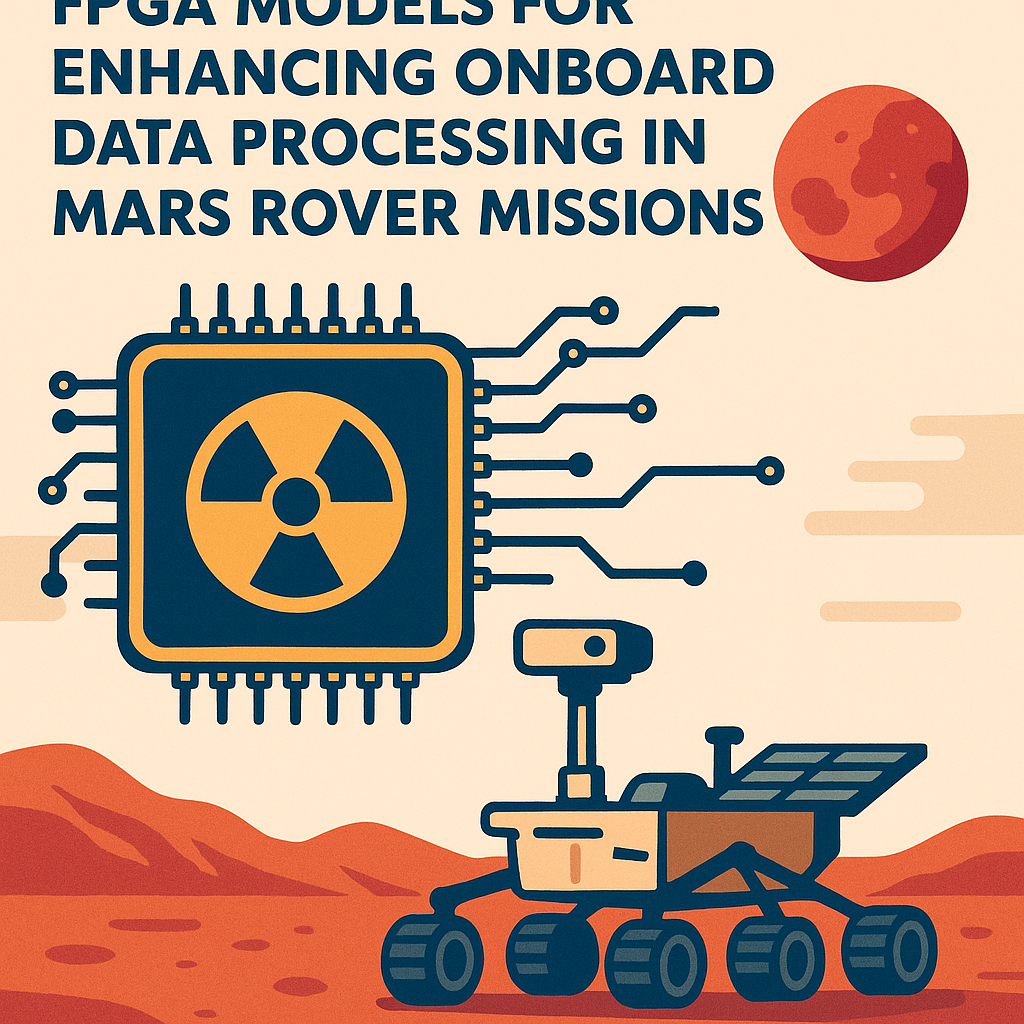
The exploration of Mars has always been a challenging endeavor, requiring advanced technology that can withstand the harsh conditions of the Red Planet. One of the key components in enhancing onboard data processing for Mars rover missions is the use of radiation-hardened Field Programmable Gate Arrays (FPGAs). In this article, we will delve into the latest advancements in radiation-hardened FPGA models and how they are poised to revolutionize data processing in future Mars missions.
The Importance of Radiation-Hardened FPGAs
Radiation-hardened FPGAs are critical for space missions due to their ability to operate reliably in environments with high levels of radiation. The effects of radiation can lead to data corruption, system failures, and overall mission jeopardy. Here’s why these components are vital:
- Robustness: Radiation-hardened FPGAs are designed to withstand the ionizing radiation found in space.
- Flexibility: FPGAs can be reconfigured to perform different tasks, allowing for adaptability in mission requirements.
- Performance: They provide high processing power, essential for handling complex tasks such as image processing and data analysis.
Latest Innovations in Radiation-Hardened FPGAs
Recent advancements in radiation-hardened FPGA technology have led to the development of models that significantly enhance data processing capabilities. Some notable innovations include:
- Higher Processing Speeds: New models offer increased clock speeds and improved throughput, enabling faster data processing and real-time analytics.
- Enhanced Error Correction: Advanced error detection and correction mechanisms help maintain data integrity in the face of radiation-induced errors.
- Improved Power Efficiency: Striking a balance between performance and power consumption is crucial for long-duration missions. Latest models are designed to be more energy-efficient.
Key Features of New FPGA Models
The new radiation-hardened FPGA models come equipped with several features aimed at improving onboard processing. These features include:
- Increased Logic Density: More logic gates per chip facilitate complex computations without requiring additional space.
- Advanced I/O Capabilities: Enhanced input/output interfaces allow for better communication with onboard sensors and systems.
- Integrated System-on-Chip Solutions: These FPGAs can incorporate additional functionalities, reducing the need for multiple components and simplifying system design.
- Longer Lifespan: Designed for extended mission durations, these FPGAs maintain performance over time despite exposure to harsh conditions.
Applications in Mars Rover Missions
The implementation of these advanced radiation-hardened FPGAs in Mars rover missions can significantly improve various aspects of data processing:
- Image Processing: Handling high-resolution images from rover cameras for navigation and scientific analysis.
- Data Compression: Efficiently compressing data before transmission back to Earth, saving bandwidth and time.
- Autonomous Navigation: Enabling real-time processing for obstacle detection and path planning.
- Scientific Experimentation: Running complex algorithms for analyzing soil samples and atmospheric readings directly on board the rover.
Challenges and Considerations
While the advancements in radiation-hardened FPGAs are promising, several challenges remain:
- Cost: Developing and manufacturing radiation-hardened components can be expensive, impacting mission budgets.
- Testing and Validation: Ensuring that these components can withstand the extreme conditions of Mars requires thorough testing and validation processes.
- Integration: Integrating new FPGA models into existing systems may require redesigning certain aspects of the rover’s architecture.
Conclusion
The new radiation-hardened FPGA models represent a significant leap forward in enhancing onboard data processing for Mars rover missions. With their advanced features and capabilities, these FPGAs will not only improve the efficiency and reliability of data handling but also enable more complex scientific experiments. As space exploration continues to evolve, the role of these innovative technologies will be crucial in overcoming the challenges posed by the Martian environment and unlocking the secrets of our neighboring planet.