Introduction
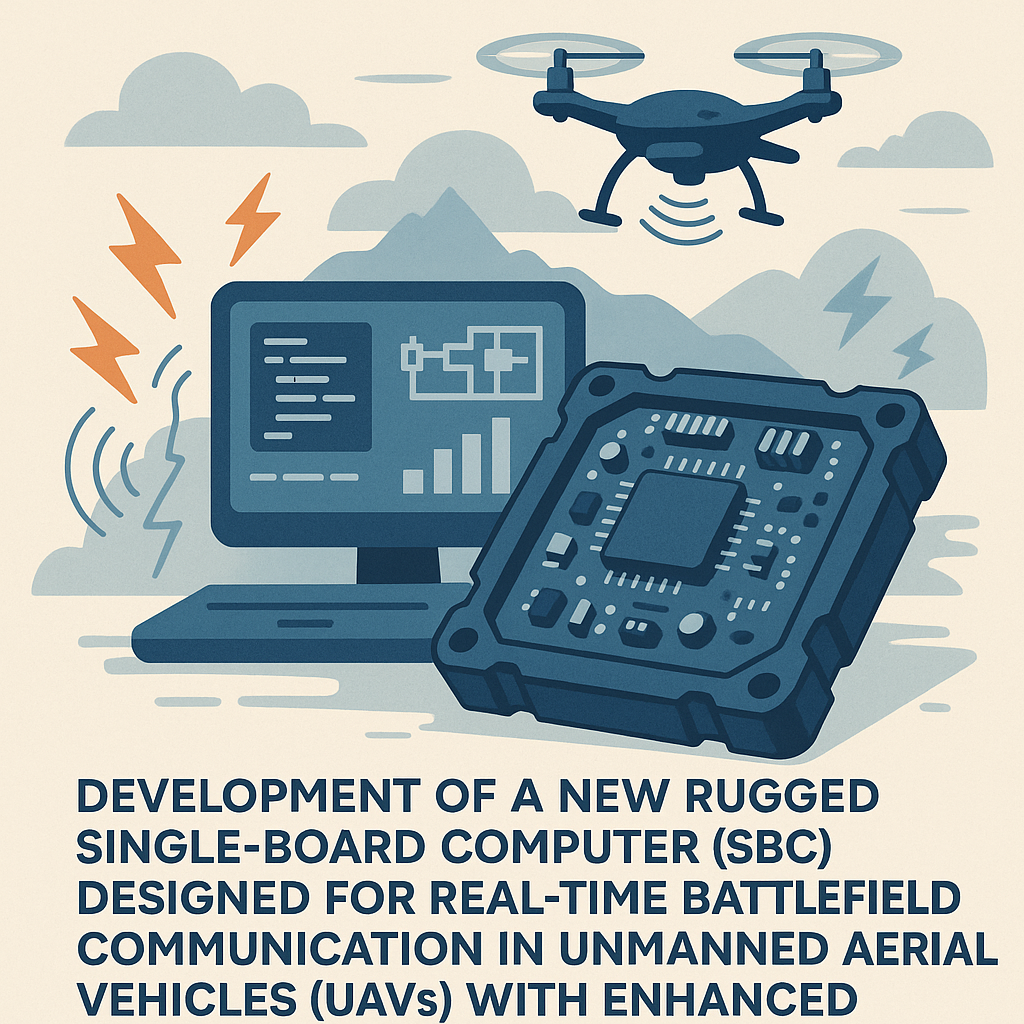
In the rapidly evolving world of unmanned aerial vehicles (UAVs), the need for robust communication systems is paramount, especially in battlefield scenarios. The development of a new rugged single-board computer (SBC) specifically designed for real-time battlefield communication addresses these challenges. This article explores the features, benefits, and technological advancements that make this SBC an essential component for modern UAVs.
Understanding the Need for Rugged SBCs in UAVs
UAVs operate in diverse and often hostile environments, making it crucial for their onboard systems to withstand extreme conditions. The key requirements for a rugged SBC in UAV applications include:
- Durability: The SBC must resist harsh weather, physical shocks, and vibrations.
- Real-time Communication: Instant data transmission is critical for operational success.
- EMI Resistance: Effective shielding against electromagnetic interference is essential for maintaining communication integrity.
Key Features of the New Rugged SBC
The new rugged SBC includes several innovative features designed to enhance its performance in battlefield conditions:
- Enhanced EMI Resistance: Utilizing advanced shielding techniques and materials, this SBC minimizes the impact of electromagnetic interference, ensuring reliable communication.
- Wide Operating Temperature Range: Capable of functioning in extreme temperatures, the SBC is designed to operate from -40°C to +85°C.
- High Processing Power: Equipped with multi-core processors, the SBC can handle complex algorithms and data processing tasks in real-time.
- Modular Design: The modular architecture allows for easy upgrades and customization, catering to specific mission requirements.
- Low Power Consumption: Optimized for energy efficiency, this SBC prolongs UAV flight times while maintaining performance.
Technological Advancements Behind the SBC
Several technological innovations have contributed to the development of this rugged SBC:
- Advanced Materials: The use of composite materials provides a lightweight yet durable structure that can withstand harsh environments.
- Thermal Management Solutions: Innovative cooling techniques prevent overheating, ensuring stable performance during prolonged operations.
- Redundant Systems: Built-in failover mechanisms guarantee communication continuity, enhancing overall reliability.
- AI-Powered Diagnostics: The SBC incorporates AI algorithms for self-monitoring and predictive maintenance, reducing downtime.
Applications in Battlefield Scenarios
The rugged SBC is designed for a variety of applications in military UAVs:
- Surveillance and Reconnaissance: Real-time video and data transmission support mission objectives and situational awareness.
- Target Acquisition: Enhanced communication capabilities improve coordination and targeting accuracy.
- Logistics and Supply Chain Management: UAVs equipped with the SBC can efficiently manage supply deliveries in combat zones.
Challenges and Solutions
While the development of a rugged SBC offers numerous benefits, certain challenges must be addressed:
- Integration with Existing Systems: Ensuring compatibility with current UAV platforms is essential. Solutions include:
- Standardized communication protocols.
- Customizable interfaces for seamless integration.
- Cost Considerations: Balancing performance with budget constraints is crucial. Solutions involve:
- Utilizing cost-effective materials without compromising quality.
- Offering scalable options for different mission profiles.
Future Prospects
The future of rugged SBCs for UAVs looks promising, with ongoing advancements in technology:
- Further EMI Mitigation: Research into new shielding techniques will continue to enhance communication reliability.
- Increased AI Integration: As AI technology advances, SBCs can incorporate more intelligent systems for better decision-making.
- Expansion to Civilian Applications: The rugged SBC’s capabilities can be adapted for use in emergency services, disaster relief, and infrastructure monitoring.
Conclusion
The development of a rugged single-board computer designed for real-time battlefield communication in UAVs marks a significant advancement in military technology. With its focus on durability, EMI resistance, and real-time processing capabilities, this SBC not only enhances the operational efficiency of UAVs but also ensures secure and reliable communication in the most challenging environments. As technology continues to progress, the potential applications for these systems will only expand, paving the way for more innovative solutions in both military and civilian sectors.