
Introduction
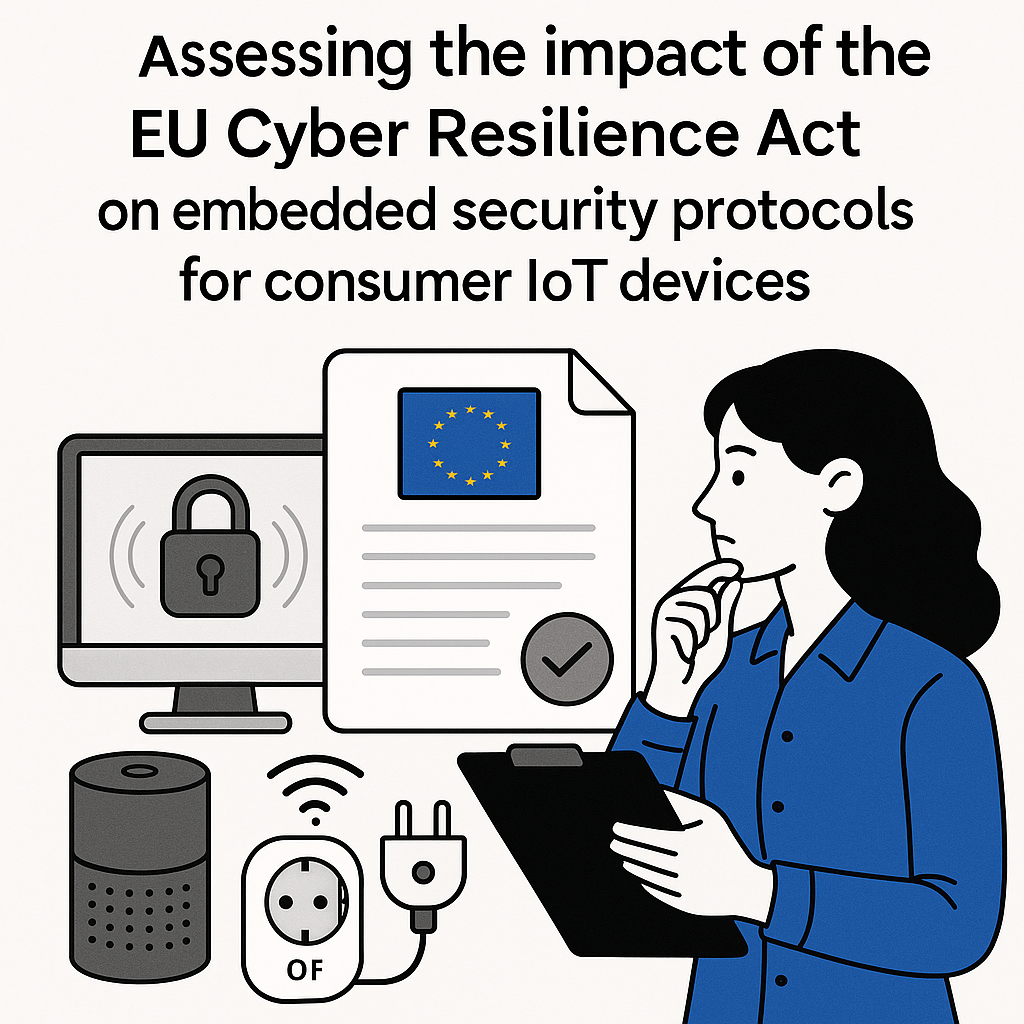
The rapid proliferation of consumer IoT devices has raised significant concerns regarding security vulnerabilities. In response, the European Union has introduced the Cyber Resilience Act, a comprehensive framework aimed at enhancing the security of digital products and services. This blog post will explore the implications of this act on embedded security protocols for consumer IoT devices, assessing both the challenges and opportunities it presents for manufacturers and consumers alike.
Understanding the EU Cyber Resilience Act
The EU Cyber Resilience Act aims to establish a baseline for cybersecurity measures across digital products, especially focusing on consumer IoT devices. The act outlines essential requirements for manufacturers to ensure that their devices are secure by design and throughout their lifecycle.
- Scope: Covers a wide range of digital products, including hardware and software.
- Security by Design: Manufacturers must integrate security measures from the initial design phase.
- Incident Reporting: Obligates companies to report security incidents promptly.
- Compliance and Penalties: Non-compliance can result in significant fines and product recalls.
Embedded Security Protocols Explained
Embedded security protocols are essential for protecting IoT devices from potential cyber threats. These protocols operate at the hardware and software levels to ensure data integrity, confidentiality, and availability. Key components include:
- Encryption: Protects data in transit and at rest.
- Authentication: Ensures that only authorized users and devices can access the IoT network.
- Secure Boot: Verifies the integrity of the device’s firmware during startup.
- Regular Updates: Allows for patches and updates to be applied to address vulnerabilities.
Impact of the Cyber Resilience Act on Embedded Security Protocols
The implementation of the Cyber Resilience Act is poised to reshape how manufacturers approach embedded security protocols in consumer IoT devices. The following aspects highlight the key impacts:
1. Enhanced Security Standards
The act sets a higher benchmark for security practices, compelling manufacturers to adopt robust embedded security protocols. This shift will likely lead to:
- Increased investment in security research and development.
- Adoption of industry best practices and standards.
- Improved user trust in IoT devices.
2. Design Challenges
While the act promotes better security, it also presents challenges for manufacturers:
- Cost Implications: Implementing advanced security measures may increase production costs.
- Complexity in Design: Balancing security features with user-friendliness can be difficult.
- Time to Market: Enhanced security requirements may prolong the development cycle.
3. Lifecycle Management
Compliance with the Cyber Resilience Act necessitates ongoing management of IoT device security throughout their lifecycle. Key considerations include:
- Regular Updates: A commitment to provide software updates and patches for vulnerabilities.
- End-of-life Policies: Clear guidelines for device decommissioning and data handling.
- Monitoring and Response: Systems for continuous monitoring of security threats and rapid incident response.
4. Consumer Awareness and Education
As manufacturers adapt to these new regulations, consumers will also need to become more aware of IoT security:
- Understanding the importance of security features in their devices.
- Recognizing the need for regular updates and maintenance.
- Being vigilant about data privacy and security practices.
Opportunities for Manufacturers
Despite the challenges, the Cyber Resilience Act also opens up several opportunities for manufacturers:
- Market Differentiation: Brands that prioritize security can distinguish themselves in a crowded market.
- Consumer Loyalty: Enhanced security measures can lead to increased consumer trust and loyalty.
- Innovation Incentives: The act may encourage the development of innovative security solutions and technologies.
Conclusion
The EU Cyber Resilience Act represents a significant step toward improving the security landscape for consumer IoT devices. By mandating embedded security protocols and establishing comprehensive compliance requirements, the act aims to protect consumers from the growing threat of cyber attacks. While manufacturers face challenges in adapting to these new regulations, the opportunities for innovation and market differentiation are substantial. Ultimately, a collaborative approach between manufacturers, consumers, and regulators will be essential to achieving a more secure IoT ecosystem.