
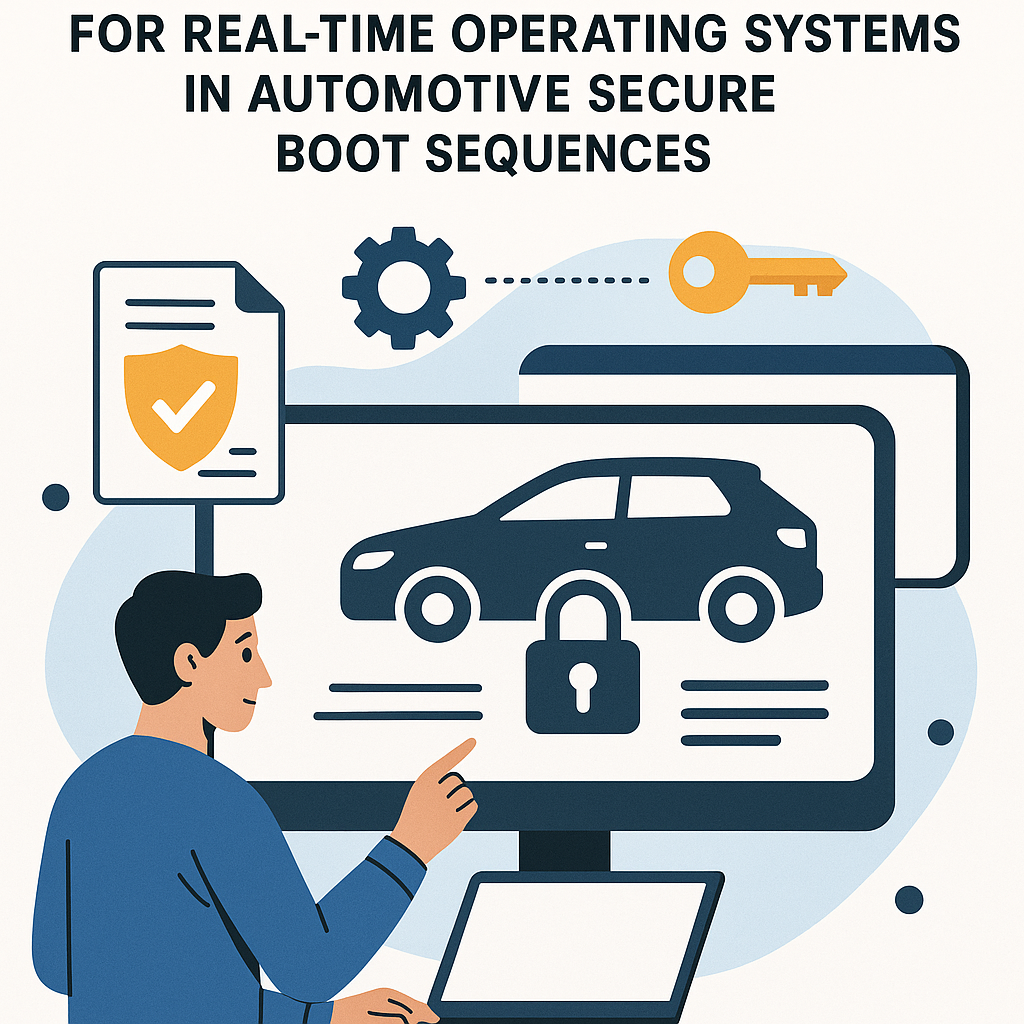
Introduction
In the rapidly evolving world of automotive technology, ensuring the security and integrity of firmware is paramount. As vehicles become more connected and dependent on software, the need for robust security measures has never been more critical. Implementing a new firmware signing protocol for real-time operating systems (RTOS) in automotive secure boot sequences is a strategic move to safeguard against potential threats. This article will explore the importance of firmware signing, the challenges faced in automotive environments, and the benefits of adopting a new protocol.
Understanding Firmware Signing
Firmware signing is a security measure that involves digitally signing firmware to verify its authenticity and integrity before it is executed. This process ensures that only trusted code is run on the automotive system, significantly reducing the risk of malicious attacks. Here are some key elements of firmware signing:
- Integrity Verification: Ensures that the firmware has not been altered or tampered with.
- Authenticity: Confirms that the firmware is from a legitimate source.
- Non-repudiation: Provides proof of the origin of the firmware, preventing denial of its authenticity.
The Role of Secure Boot in Automotive Systems
Secure boot is a critical security feature in automotive systems that ensures only authorized firmware can be loaded during the boot process. The secure boot sequence typically involves the following steps:
- The hardware verifies the firmware signature using a public key stored in a secure location.
- If the signature is valid, the firmware is executed; if not, the boot process is halted.
However, the growing complexity of automotive software, including the use of multiple software components from different suppliers, poses significant challenges to secure boot implementations.
Challenges in Implementing Firmware Signing Protocols
Implementing a new firmware signing protocol in automotive secure boot sequences presents several challenges:
- Multiple Stakeholders: Different suppliers may use various signing methods, making it difficult to establish a universal protocol.
- Performance Impacts: Additional cryptographic operations can affect the boot time and overall system performance.
- Key Management: Securely managing cryptographic keys across the supply chain is essential yet complicated.
- Regulatory Compliance: Adhering to industry standards and regulations can constrain the flexibility of the protocol.
Benefits of a New Firmware Signing Protocol
Despite the challenges, a new firmware signing protocol tailored specifically for RTOS in automotive environments can offer numerous advantages:
- Enhanced Security: A robust signing protocol ensures that only verified firmware is executed, reducing the attack surface.
- Interoperability: Establishing a standardized protocol can facilitate collaboration among different suppliers and stakeholders.
- Scalability: A well-designed protocol can easily adapt to the increasing complexity of automotive software ecosystems.
- Future-Proofing: Implementing modern cryptographic techniques ensures resilience against evolving threats.
Key Considerations for Implementing the Protocol
When implementing a new firmware signing protocol, several factors must be considered:
- Choosing the Right Cryptographic Algorithms: Select algorithms that provide adequate security without compromising performance.
- Designing the Signing Process: Ensure that the signing process is streamlined and does not introduce unnecessary delays during boot.
- Establishing a Secure Key Management System: Implement a robust key management strategy to protect private keys and manage public key distribution.
- Testing and Validation: Thoroughly test the protocol in various scenarios to ensure reliability and resilience.
Conclusion
As the automotive industry continues to embrace connectivity and automation, the importance of secure firmware signing protocols cannot be overstated. Implementing a new firmware signing protocol for real-time operating systems in automotive secure boot sequences is a proactive step toward enhancing security and ensuring the integrity of vehicle systems. By addressing the challenges and leveraging the benefits of a standardized approach, automotive manufacturers can significantly bolster their defenses against potential cyber threats, paving the way for safer and more reliable vehicles in the future.